


Choosing the right API 5L pipe supplier in China is an important step for oil and gas projects, pipeline construction, industrial infrastructure, and steel pipe distribution. The right api 5l pipe supplier should do more than offer a competitive price. Buyers also need to confirm product specifications, material documentation, supply availability, delivery arrangements, and export support.
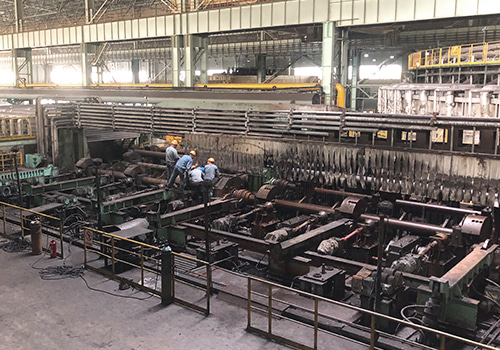
China has a broad steel pipe supply chain, including manufacturers, stockists, distributors, and export suppliers. These businesses have different capabilities and sourcing models, so it is important to identify the type of supplier that best fits your project.
This guide explains how to evaluate an API 5L line pipe supplier, verify product documentation, compare quotations, and reduce procurement risks. Whether you need carbon steel line pipe for a pipeline project or multiple specifications for distribution, the following checklist can help you make a more informed purchasing decision.
Quick Answer: What Should You Check When Choosing an API 5L Pipe Supplier?
Confirm that the offered pipe meets your required API 5L edition, grade, PSL, dimensions, and manufacturing process.
Verify material certificates, inspection records, and product traceability.
Clarify whether the quoted material is in stock or requires mill production.
Compare quotations using the same specifications, delivery terms, and documentation requirements.
Evaluate sourcing transparency, communication, inspection coordination, and export support.
1. Understand Your API 5L Pipe Requirements First
Before contacting an API 5L pipe supplier, prepare a clear technical specification for your project. Incomplete requirements can lead to inconsistent quotations, incorrect product selections, and unnecessary delays during order confirmation.
API 5L covers steel line pipe used in pipeline transportation systems for the petroleum and natural gas industries. The correct product depends on the applicable standard edition, project specifications, operating conditions, and required inspection criteria.
Key Specifications to Confirm
API 5L edition: Identify the edition specified in your project documents or purchase requirements.
Pipe grade: Common grade designations include Grade B, X42, X52, X60, and X65. Availability depends on the required product and sourcing arrangements.
Product Specification Level: Confirm whether PSL1 or PSL2 is required.
Manufacturing process: Specify seamless, ERW, LSAW, SSAW, or another permitted process where applicable.
Dimensions: Provide the outside diameter, wall thickness, pipe length, and dimensional tolerances required by the order.
Pipe ends and surface requirements: Specify plain ends, beveled ends, coating, surface treatment, or other project requirements.
Quantity and delivery: State the required tonnage or piece count, destination port, and target delivery schedule.
Inspection and documentation: Identify any required testing, third-party inspection, certificates, and traceability records.
For example, a buyer requesting API 5L X52 line pipe should not provide only the grade. The supplier also needs the pipe dimensions, PSL, manufacturing process, quantity, and any special inspection or coating requirements to assess the order accurately.
Clear specifications help different suppliers quote on a comparable basis and reduce the risk of receiving an offer that does not meet the project requirements.
2. Choose the Right Type of API 5L Pipe Supplier
Not every steel pipe supplier operates in the same way. Understanding the difference between a manufacturer, stockist, and distributor helps buyers select a sourcing partner based on their order size, delivery schedule, and product requirements.
API 5L Pipe Manufacturer
A manufacturer produces steel pipes through its own manufacturing operations. Depending on its facilities, production scope, and applicable qualifications, it may support specific manufacturing processes, production schedules, and technical requirements.
When evaluating a manufacturer, buyers should verify its actual production capabilities, relevant licenses or certifications, quality management procedures, and ability to meet the project's specifications.
API 5L Pipe Stockist or Distributor
A stockist or distributor focuses on supplying products through available inventory, mill relationships, or other established sourcing channels. Its role may include helping buyers identify suitable supply options, coordinate specifications, consolidate procurement requirements, and arrange delivery or export documentation.
This type of supplier can be useful when buyers need several pipe sizes, want to check existing supply availability, or prefer to coordinate procurement through one supplier rather than manage multiple sourcing channels independently.
However, buyers should always confirm whether a quoted item is physically available, sourced against a specific order, or subject to new mill production. A supplier's product catalogue does not automatically confirm current stock.
Which Supplier Type Is Best for Your Project?
| Procurement Requirement | Supplier Type to Consider | What to Verify |
|---|---|---|
| New production with specific technical requirements | Manufacturer or qualified sourcing supplier | Production capability, specifications, lead time |
| Existing stock or shorter procurement cycles | Stockist or distributor | Actual availability, inspection status, dispatch schedule |
| Multiple specifications in one purchase order | Supplier with suitable sourcing and coordination capabilities | Specification matching, quantity coordination, shipment planning |
| Large project with strict inspection requirements | Supplier able to meet the project's technical and quality requirements | Inspection scope, traceability, documentation, contractual responsibilities |
The best choice depends on the actual project rather than the supplier's title alone. Buyers should evaluate the evidence behind each quotation and confirm that the proposed supply arrangement meets their requirements.
3. Verify API 5L Compliance and Product Documentation
Product documentation is one of the most important factors when selecting an API 5L pipe supplier. Buyers need to establish whether the offered material meets the applicable specification and whether the supporting records correspond to the actual products being supplied.
Do not rely solely on a supplier's website description or a general statement that its products meet API 5L requirements. Ask for documentation relevant to the specific grade, dimensions, order, and applicable standard.
Documents to Request Before Ordering
Mill Test Certificate (MTC): Review the material identification and test results provided for the supplied pipes.
Chemical composition results: Check the reported chemical analysis against the applicable requirements.
Mechanical test results: Verify the reported properties against the specified grade and standard.
Inspection and testing records: Request applicable hydrostatic testing, non-destructive testing, and other records required by the order.
Product marking and traceability information: Confirm that pipe markings, heat numbers, and supporting records can be matched where required.
Third-party inspection reports: Obtain these when independent inspection is included in the purchase contract.
Applicable license or compliance evidence: If an API license or API Monogram is a project requirement, verify the relevant entity, license status, and product scope.
How to Check Whether Documents Match the Order
Start by comparing the documents with the purchase order. The grade, PSL, dimensions, manufacturing process, and other required characteristics should be consistent with the order and applicable specification.
Next, review the relationship between the material certificate, heat number, and pipe identification. If traceability is required, the supplier should be able to explain how the records correspond to the supplied material.
Finally, check whether the inspection and testing records cover the requirements agreed in the contract. If the project specifies a particular edition of API 5L, the applicable edition and any additional project requirements should be confirmed rather than assumed.
Remember that a document review does not automatically establish that every pipe conforms to the contract. Where the project requires independent verification, agree on the inspection scope, acceptance criteria, and reporting process before shipment.
4. Evaluate Stock Availability and Supply Capability
Supply availability can directly affect project schedules. When sourcing API 5L line pipe from China, buyers should determine whether the supplier can offer the required material within the requested timeframe and whether the quoted delivery schedule is realistic.
It is particularly important to distinguish between stock that is available for inspection and dispatch and material that still needs to be sourced or produced.
Questions to Ask an API 5L Pipe Stockist
Which grades, outside diameters, wall thicknesses, and lengths can you currently supply?
Is the quoted material physically in stock or subject to mill production?
Can the available material meet the project's documentation and inspection requirements?
Can different pipe sizes or grades be coordinated within one purchase order?
What is the estimated preparation, inspection, and dispatch schedule?
What information is needed to confirm delivery to the destination port?
For example, a project requiring several pipe sizes may benefit from a supplier that can coordinate multiple sourcing requirements. However, buyers should confirm each specification and its availability separately rather than assuming that all products listed in a catalogue can be delivered together.
Ask for a written supply confirmation that identifies the quoted material, expected delivery schedule, documentation scope, and any outstanding conditions. This helps prevent misunderstandings after the purchase order is issued.
Looking for API 5L line pipe for an upcoming project?
Send your required grade, dimensions, quantity, and destination port to Yuan Steel Pipe so the supply options can be reviewed against your purchasing requirements.
Explore API 5L Line Pipe5. Check Steel Mill Relationships and Sourcing Transparency
A reliable API 5L pipe supplier should be able to explain how it sources the products offered to buyers. For stockists and distributors, this does not necessarily mean owning manufacturing facilities. It means providing clear information about the proposed supply channel and how the material will be verified and delivered.
What Buyers Should Verify
Sourcing channel: Ask whether the offer is based on existing stock, a confirmed mill supply arrangement, or a new sourcing request.
Specification matching: Confirm that the proposed product meets the required grade, manufacturing process, dimensions, and applicable standard.
Document availability: Ask which material certificates and inspection records can be provided for the specific order.
Traceability arrangements: Establish how product identification and supporting records will be linked where required.
Inspection coordination: Confirm whether the supplier can coordinate inspections required by the buyer or project.
Substitution control: Make sure no changes to the agreed grade, dimensions, or other critical requirements will be made without approval.
Buyers should also be cautious when evaluating claims about mill partnerships, certifications, or project experience. Request relevant evidence where those claims are important to the purchasing decision.
Clear sourcing information is especially valuable for overseas buyers who need to coordinate technical approvals, documentation, shipping schedules, and internal procurement procedures across different parties.
6. Compare Quotations Beyond the Price per Ton
Price is an important purchasing factor, but the lowest quoted price does not necessarily represent the lowest total procurement cost. Differences in pipe specifications, inspection scope, packaging, delivery terms, and documentation can make quotations difficult to compare.
When requesting quotations from multiple API 5L pipe suppliers in China, provide the same technical requirements and commercial conditions to each supplier. This makes the comparison more meaningful.
What Should an API 5L Pipe Quotation Include?
Product description, grade, PSL, and applicable standard
Manufacturing process, outside diameter, wall thickness, and pipe length
Quantity, unit price, currency, and total quoted amount
Surface treatment, coating, pipe ends, and packaging requirements
Inspection, testing, and documentation scope
Estimated availability, preparation time, and delivery schedule
Delivery terms, destination port, and shipping arrangements where applicable
Payment terms, quotation validity, and any exclusions
Use a Like-for-Like Quotation Checklist
| Comparison Item | Questions to Ask |
|---|---|
| Technical compliance | Do all quotations meet the same grade, PSL, dimensions, and project requirements? |
| Material documentation | Are the required certificates, testing records, and traceability documents included? |
| Inspection scope | Are the inspection method, acceptance criteria, and third-party costs clearly stated? |
| Delivery conditions | Are lead time, packaging, delivery terms, and shipping responsibilities comparable? |
| Commercial terms | Are payment terms, quotation validity, exclusions, and additional costs clear? |
For international procurement, clarify which costs are included in the quoted price and which remain the buyer's responsibility. The applicable Incoterms rule, named place or port, and agreed shipping arrangements should be stated clearly.
A detailed quotation makes it easier to identify genuine price differences, evaluate supply risks, and select a supplier that meets both technical and commercial requirements.
7. Confirm Inspection, Traceability, and Quality Responsibilities
Inspection arrangements should be agreed before the order is finalized, especially for pipeline projects with strict technical specifications or customer approval procedures.
Buyers should not assume that every API 5L order requires the same inspection package. The required tests, inspection frequency, acceptance criteria, and documentation depend on the applicable standard, purchase order, and project requirements.
Inspection Points to Confirm Before Shipment
Dimensional inspection: Confirm the required checks for outside diameter, wall thickness, length, and tolerances.
Visual inspection: Establish the acceptance criteria for surface condition, pipe ends, and visible defects.
Material verification: Check the required material test results and identification records.
Testing records: Confirm which hydrostatic, non-destructive, or other tests apply to the order.
Traceability: Verify how the pipe markings and relevant records will be maintained and presented.
Third-party inspection: If required, agree on the inspection agency, inspection stages, reporting requirements, and cost responsibility.
Packing and shipment: Confirm the packing method and loading arrangements appropriate for the order and transportation route.
Where independent inspection is required, include the inspection scope and acceptance criteria in the contract or inspection plan. Simply naming an inspection agency is not enough; both parties should understand what will be inspected and what constitutes acceptance.
It is also important to define how nonconforming material will be handled. Agree on notification procedures, supporting evidence, and the responsibilities of each party before shipment to reduce the risk of disputes.
8. Assess Export Experience and Communication
For overseas buyers, reliable communication and export coordination are part of the procurement process. A supplier may offer a suitable product, but unclear documentation requirements or delivery arrangements can still create avoidable delays.
What to Check Before Placing an Order
Export documentation: Confirm which commercial and shipping documents can be provided for the order.
Destination requirements: Communicate any applicable import, customs, inspection, or project-specific documentation requirements in advance.
Delivery planning: Establish the expected dispatch schedule and how changes will be communicated.
Technical communication: Make sure questions about grade, dimensions, testing, and documentation receive clear responses.
Order management: Confirm how purchase order changes, inspection findings, and shipment updates will be handled.
Relevant experience: Where necessary, request references or examples of comparable supply arrangements, subject to availability and confidentiality.
Buyers should specify their destination country and port when requesting a quotation. Export documentation and import requirements can vary by market, product, and project, so the necessary documents should be confirmed for each transaction rather than assumed to be identical for all shipments.
Clear communication before the purchase order is issued helps both parties establish realistic expectations about technical approvals, documentation, delivery, and responsibilities.
9. Common Red Flags When Choosing an API 5L Pipe Supplier
Before selecting an API 5L pipe supplier, watch for warning signs that may indicate a mismatch between the quotation and your project requirements.
Incomplete specifications: The quotation does not clearly identify the grade, PSL, dimensions, manufacturing process, or applicable standard.
Unclear stock status: The supplier describes products as available but cannot confirm whether they are in stock or require production.
Inconsistent documentation: Material certificates, pipe markings, and order details cannot be reconciled where traceability is required.
Unverifiable claims: The supplier claims relevant certifications or licenses but cannot provide evidence that matches the product or entity involved.
Unapproved substitutions: The supplier proposes changing the grade, dimensions, or other key requirements without obtaining the buyer's approval.
Vague inspection terms: The quotation does not explain which tests, inspections, or reports are included.
Unrealistic delivery promises: The supplier offers a delivery date without clarifying availability, production, inspection, or shipping arrangements.
Unclear commercial conditions: Payment terms, delivery responsibilities, quotation validity, or additional costs are not stated clearly.
One warning sign does not automatically mean that a supplier is unsuitable. However, unresolved questions should be clarified before payment or order confirmation. For critical pipeline projects, technical compliance and traceability should take priority over an unusually low price.
10. Why Work with Yuan Steel Pipe for API 5L Pipe Sourcing?
Yuan Steel Pipe, operated by Hainan Yuan Steel Pipe Supply Chain Co., Ltd., focuses on steel pipe supply and distribution. As a steel pipe stockist, supplier, and distributor, Yuan Steel Pipe supports overseas buyers seeking API 5L line pipe and other steel pipe products through its sourcing and supply coordination services.
For buyers who need to evaluate supply options in China, the purchasing process should begin with a clear understanding of the required specifications, quantity, documentation, and delivery destination.
API 5L Product and Specification Matching
Share the required API 5L grade, PSL, pipe dimensions, manufacturing process, and project requirements. This information helps the supply team assess suitable options and identify the details that need confirmation before a quotation can be finalized.
Supply Coordination for Overseas Buyers
For orders involving specific sizes, grades, or delivery requirements, confirm the proposed sourcing arrangement, product availability, and expected delivery schedule before placing the order. Each quotation should reflect the actual requirements and supply conditions of the project.
Documentation and Export Coordination
Communicate the required material certificates, inspection records, and export documentation at the inquiry stage. Early confirmation helps clarify which documents are available and which requirements must be addressed before shipment.
Quotation Support Based on Your Requirements
Rather than requesting a price based on the product name alone, provide the full specification, order quantity, destination port, and required delivery schedule. A detailed inquiry makes it easier to review relevant supply options and clarify the commercial terms.
Looking for an API 5L Pipe Supplier in China?
Send Yuan Steel Pipe your pipe grade, PSL, dimensions, quantity, destination port, and documentation requirements. The team can review your inquiry and discuss applicable supply options and quotation details.
Frequently Asked Questions
1. How Can I Verify an API 5L Pipe Supplier in China?
Start by checking whether the supplier can clearly identify the offered product, applicable API 5L requirements, grade, PSL, dimensions, and manufacturing process. Request relevant material certificates and inspection records, verify traceability where required, and clarify whether the material is in stock or needs to be sourced or produced. Also review the supplier's quotation, delivery terms, and documentation commitments before placing an order.
2. What Is the Difference Between an API 5L Pipe Manufacturer and a Stockist?
A manufacturer produces pipes through its own manufacturing operations, while a stockist primarily supplies available inventory or coordinates supply through sourcing channels. A distributor may also coordinate product selection, order fulfillment, and delivery. The best option depends on the buyer's required specifications, quantity, schedule, and level of technical support.
3. What Documents Should I Request When Buying API 5L Line Pipe?
Depending on the order and applicable requirements, buyers may need a Mill Test Certificate, chemical composition and mechanical test results, relevant inspection and testing records, product marking information, and traceability documentation. Third-party inspection reports and additional project documents should be requested when specified in the purchase contract.
4. Can an API 5L Pipe Supplier Provide Different Grades and Sizes in One Order?
Some suppliers can coordinate multiple grades or dimensions within one purchase order, but this depends on sourcing channels, availability, quantities, and project requirements. List each required grade, PSL, outside diameter, wall thickness, length, and quantity in your inquiry. Ask the supplier to confirm availability and documentation for each line item separately.
5. What Information Is Needed to Get an API 5L Pipe Quotation?
Provide the applicable API 5L edition, grade, PSL, manufacturing process, outside diameter, wall thickness, pipe length, quantity, coating or end requirements, destination port, delivery schedule, and required inspection documents. If your project has special technical or import requirements, include them in the inquiry so the supplier can evaluate the order more accurately.
Conclusion: Choose an API 5L Supplier That Fits Your Project
Choosing an API 5L pipe supplier in China requires more than comparing prices. Buyers should begin with complete technical specifications, verify relevant product documentation, assess supply availability, review sourcing transparency, and compare quotations using consistent commercial conditions.
Inspection arrangements, traceability, delivery schedules, and export documentation should also be confirmed before the purchase order is finalized. These steps help reduce procurement uncertainty and improve coordination between the buyer and supplier.
Yuan Steel Pipe supports overseas buyers as a steel pipe stockist, supplier, and distributor. If you are sourcing API 5L line pipe for a pipeline project, industrial application, or distribution requirement, share your specifications and quantity to discuss suitable supply options and request a quotation.
Ready to discuss your requirements?Contact Yuan Steel Pipe with your pipe grade, dimensions, quantity, destination port, and documentation requirements.
Technical note: API 5L requirements depend on the applicable edition, product grade, PSL, purchase specification, and project requirements. Always confirm the governing documents and acceptance criteria before ordering. Product availability, delivery schedules, and documentation should be confirmed for each specific inquiry.


