


What Makes Best China Api 5l Seamless Steel Pipe the Ideal Choice for Global Buyers
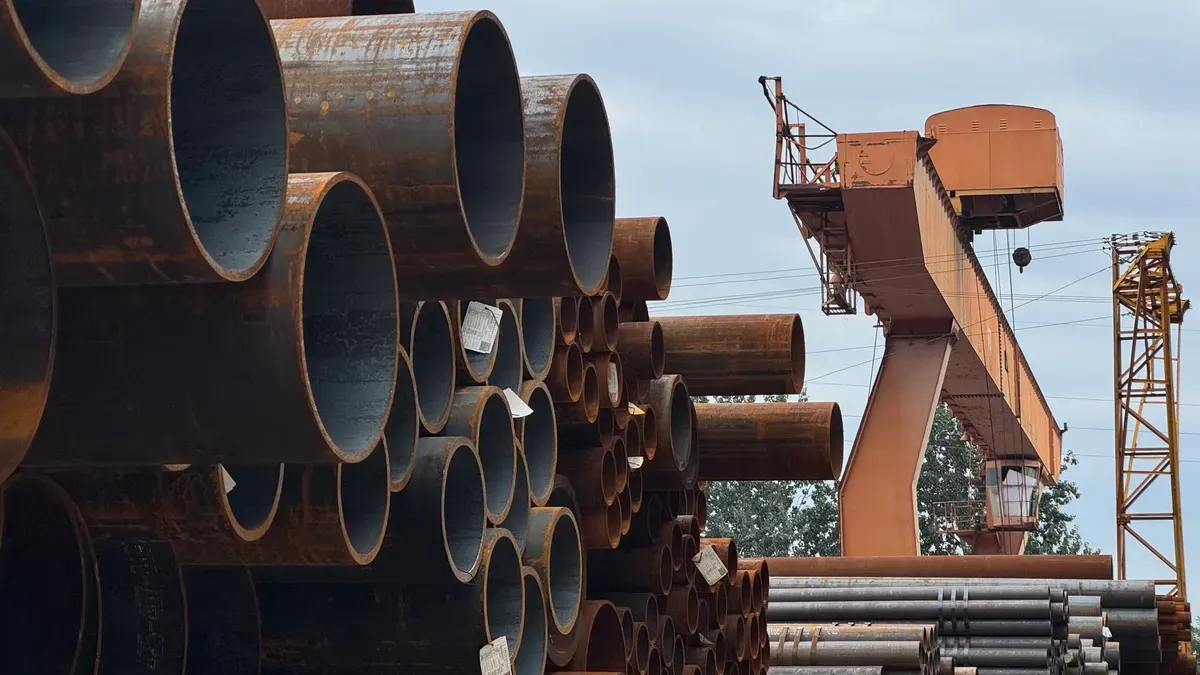
Choosing the right API 5L Seamless Steel Pipe means balancing cost and quality. Top Chinese suppliers like YUAN STEEL PIPE have improved to meet or beat global standards while still saving buyers money. You might remember when people doubted Chinese manufacturing. Now, modern export-focused plants provide high-grade materials like API 5L X52 and X60. These pipes now lead worldwide oil and gas supply chains. Your value comes from four key points: steady quality, low cost, new technology, and dependable shipping.
Key Takeaways
Top Chinese suppliers meet global standards with API and ISO certifications.
Seamless pipes don't have a weld seam, so they are stronger for high-pressure jobs.
Higher steel grades, such as X70, make pipes lighter and cut costs.
Modern factories and research teams make the pipes stronger and work better.
We keep a large stock and use smart shipping plans, so we deliver your order fast and reliably anywhere in the world.
Quality and Standards for Api 5l Seamless Steel Pipe
When you look at a possible supplier for your pipeline work, certificates tell you more than any ad. Top Chinese factories, including those that work with YUAN STEEL PIPE, have the API mark and ISO 9001 certificate. These papers are not just pretty wall decorations. They show a promise to keep following checked rules from around the world.
Certifications and Compliance (API, ISO, and More)
The API 5L certification process requires a full set of checks. Makers must check the steel's chemicals, test for strength, do pressure tests, and set up tests that do not damage the pipe when the project calls for it. They must also keep track of each heat number for full tracking and give a Material Test Certificate (MTC) with every shipment. You must hire an outside inspector when your contract asks for it.
The API audit itself is very careful. An audit team looks at papers, checks the factory floor, takes product samples, and checks work steps against the newest rules. They check test machines, technical papers, quality files, and how your quality system works. This audit is the base for the API Q1 certification, a quality standard made for the oil and gas industry. API Q1 has tougher rules than ISO 9001, including product design, risk study, change control, and tracking.
Beyond API certification, several ISO standards apply to steel pipe making. Each has its own goal:
ISO Standard | Purpose in Steel Pipe Production |
|---|---|
ISO 9001 | Sets up a quality system for steady product quality |
ISO 14001 | Gives a plan for handling environmental effects |
ISO 45001 | Covers worker health and safety to lower risks |
ISO 50001 | Gives tips for using energy better |
ISO 3834 | Makes sure welding meets high quality rules |
ISO 15156 | Lists materials that work for sour gas (H2S) |
ISO 9001 uses the Plan-Do-Check-Act cycle, a four‑step way to keep getting better. The standard needs written steps, clear goals, and numbers you can measure. Chinese factories have shown they can follow these rules all the time.
Rigorous Testing and Quality Control Protocols
A Mill Test Certificate backs up every quality claim a maker makes. This paper lists the steel's chemicals and its strength properties like tensile and yield, and has a heat number to track back to the factory. Without these papers, you cannot check that your Api 5l Seamless Steel Pipe meets the spec.
Full-body nondestructive testing is another important step for quality. Ultrasonic and X-ray tests find hidden flaws that you cannot see with your eyes. For seamless pipes, these methods find problems in the pipe wall. API 5L has tight rules: cracks are never allowed, no gaps from poor welding, and small holes have limits on size, amount, and spread.
Hydrostatic testing checks each pipe can hold pressure without leaking. Chemical and physical tests check that the steel mix matches the grade you need, whether that is X52, X60, or higher. Size and visual checks make sure they match your needed outer diameter, wall thickness, and straightness.
The seamless making process itself has a built-in benefit. Since these pipes have no weld line, they don't have the weak spot that welded pipes have. This one-piece build makes the pipe stronger and more dependable for high-pressure oil and gas moving. You get the same strength all along the pipe, which lowers the chance of breaking at high-stress spots.
Leading suppliers make sure you can track everything from raw material to finished product. Each batch of steel has a label all through the making process. This tracking helps you find exactly which batch is bad if a problem shows up later. For critical uses in oil and gas moving, this kind of tracking is not a choice—it is a must.
Cost-Effectiveness and Value Engineering
Competitive Pricing and Total Cost of Ownership
The low price you get from top Chinese makers does not come from cheap materials or skipping quality checks. It comes from good supply chains, lower worker costs, and big scale. YUAN STEEL PIPE keeps at least 15,000 tons in stock each month and sells about 30,000 tons each month. That large amount lets them get better prices for steel coils and billets, then pass those savings on to you.
But you should look at any pipe purchase using Total Cost of Ownership (TCO), not just the price tag. TCO includes the purchase price plus all other costs: labor to install, time to weld, inspection costs, possible failures, unplanned downtime, and how long the pipe will last. A cheap pipe that breaks early or needs a lot of fixes will cost you much more over ten years than a high-quality pipe bought at a slightly higher price.
Think about what a failure really costs. When an Api 5l Seamless Steel Pipe breaks while in use, you have to pay for new pipe, plus you lose production, clean up the environment, pay fines, and hurt your reputation. High-quality seamless pipes from certified Chinese factories lower that risk a lot. With no weld seam, they remove the most common place where welded pipes fail. This gives you the same strength all through the pipe wall. Fewer failures mean less downtime and longer times between repairs. That improves your profit over the whole project life.
Material Optimization for Project-Specific Needs
Top Chinese makers do not just sell you a standard product. They work with your engineering team to set pipe specs that fit your project perfectly. This value-engineering method can lower material costs and weight without hurting safety or performance.
One powerful strategy involves picking a higher steel grade to use a thinner wall. Look at a comparison between X52 and X70 steel for a large-diameter pipeline:
Parameter | X52 Steel Pipe | X70 Steel Pipe | Benefit |
|---|---|---|---|
Wall thickness | 22 mm | 16 mm | 27% reduction |
Weight per unit length | 618 kg/m³ | 452 kg/m³ | 27% lighter |
Transportation & hoisting cost | - | - | 30% reduction |
Conveying efficiency | - | - | 8% increase (due to larger internal cross-section) |
Both choices keep the same design pressure of 12 MPa and the same pipe diameter of DN1200. The X70 pipe has the same strength but a thinner wall because the higher-grade steel is stronger. You save on material weight, shipping weight, and equipment needed to install. The bigger inner space also lets fluid flow better, which can lower pumping energy costs over the pipe's life.
When you pick a grade, follow a practical rule:
If the smallest yield strength you need falls between two grades, pick the higher grade first for safety. For lower design pressures, a lower grade works fine. Higher-grade pipes cost more to buy and weld, so upgrading without reason can waste money. The goal is to balance strength needs with cost and ease of building.
Your supplier should show you clear choices between material cost, welding difficulty, and long-term performance. A good Chinese maker will suggest the cheapest grade that still follows your design rules, instead of pushing you to buy expensive products you do not need. This teamwork makes sure you get the right pipe for your job at the right price, getting the most value for every dollar you spend on your pipeline.
Advanced Manufacturing and Technology
State-of-the-Art Production Facilities
Top Chinese mills spend a lot on modern machines that turn raw steel into precise products. You will see large hot rolling mills, advanced heat treatment furnaces, and precision straightening machines in these facilities. Automation handles every important step, from temperature control to size checks. This level of control makes sure your Api 5l Seamless Steel Pipe keeps the same strength and quality across large production batches.
Think about how big these top makers are. Wuxi Special Steel Material Co., Ltd. runs complete lines for hot rolling, hot expansion, cold drawing, and cold rolling. Their yearly capacity reaches 200,000 tons. Eastern Steel Manufacturing Co., Ltd. holds international certifications from pipeline projects around the world. This shows their factories meet tough global standards. These factories do not just make pipes in bulk. They engineer each product with care, as good as any maker in Europe or North America.
The seamless making process itself needs very careful control. Since there is no weld line, the pipe's strength depends fully on the steel being uniform during forming. Advanced rolling mills keep the wall thickness exact along the whole pipe. Heat treatment furnaces control how fast the pipe cools to get the right grain structure for each steel grade. Precision straightening machines make sure the final pipe meets strict straightness limits. Every machine works together in a well-timed system that reduces human mistakes and boosts consistency.
Research and Development in Steel Grades
Chinese makers have changed from cheap producers to real innovation partners. Top companies put a lot of money into research and development. Nansteel Manufacturing Co., Ltd. is a good example of this approach with strong R&D programs that focus on new ideas and using advanced technology. Their own labs enforce strict quality control at every development stage.
This R&D spending gives real benefits for your projects. New steel grades now work better in tough conditions, including high-pressure deep-water uses and cold arctic environments. Anshan Iron and Steel Group specializes in making complex seamless pipes and heavy steel plates, pushing the limits of what these materials can do. These new ideas mean you can choose a pipe grade that fits your exact needs rather than settling for a standard option.
The partnership goes beyond product development. When you work with a tech-savvy Chinese supplier, you get their engineering know-how. They can recommend specific steel mixes for sour gas environments or suggest heat treatment steps for toughness in cold weather. This teamwork changes your supplier from just a vendor into a strategic partner who helps you solve hard engineering problems. The result is a better-working pipeline system built from materials designed for your specific conditions.
Supply Chain and Global Logistics
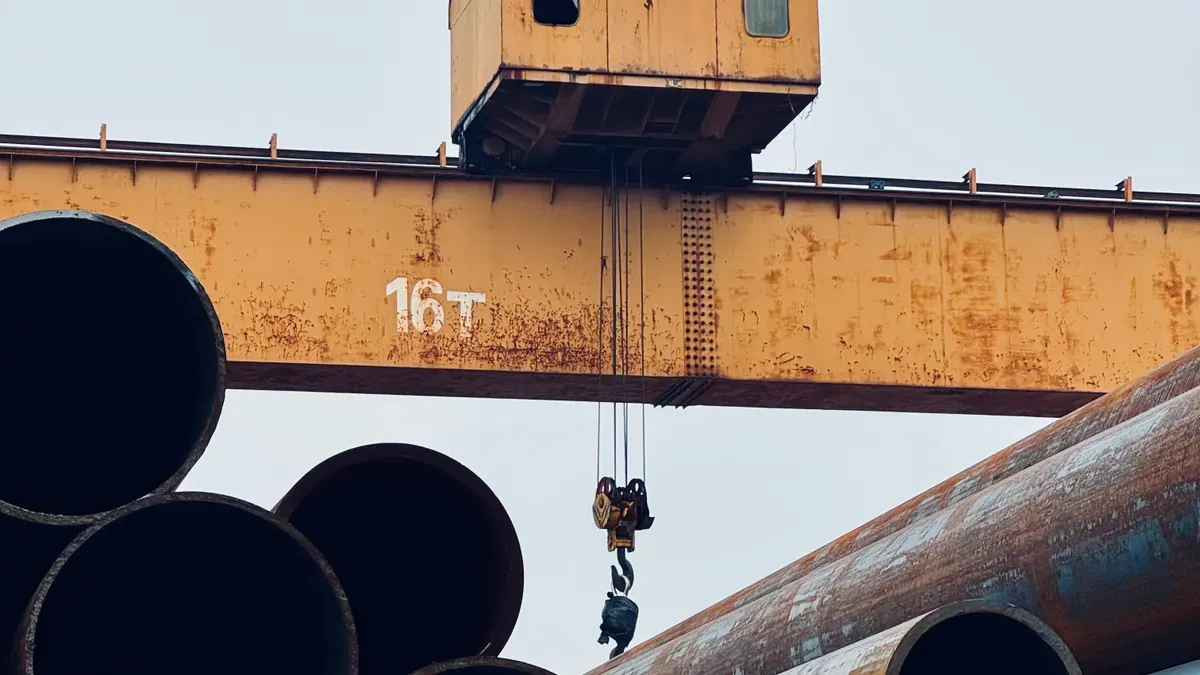
Efficient Production Planning and Inventory Management
Your project schedule needs your supplier to send pipe when you need it. Top Chinese suppliers like YUAN STEEL PIPE keep a large ready stock to handle fast global orders. Their monthly stock is at least 15,000 tons, and they sell about 30,000 tons each month. This large size helps you get good prices through bulk buying power and fast delivery without waiting long for the factory to make new pipe.
Inventory Metric | Value |
|---|---|
Annual production capacity (by end of 2023) | >1,000,000 tons |
Ready inventory for API 2B pipe | 100–200 tons |
Fastest delivery time (standard specs) | 7 days |
Stocked outer diameter range | 16–56 inches |
Stocked wall thickness range | SCH10–SCH160 |
This ready stock means you can get standard-grade Api 5l Seamless Steel Pipe quickly. For fast orders, always check the stock, packing, time to ship, and export papers before you order. A quick check stops costly delays and makes sure your supplier can meet your schedule.
For fast orders, always check the stock, packing, time to ship, and export papers before you order.
Strategic Export Capabilities and Shipping Solutions
Chinese suppliers are near big ports like Tianjin. This makes export easier. They have good ties with shipping companies, so they get ship space even when busy. You can pick from several shipping terms based on your risk and shipping needs:
FOB (Free On Board): This is the most common term for export orders, usually from Tianjin port. The seller puts the goods on the ship. Then the buyer pays all costs and takes all risks from that point.
CIF (Cost, Insurance, and Freight): The seller pays for shipping and insurance to the destination port. Risk shifts to the buyer once the goods are on the ship.
CFR (Cost and Freight): This is like CIF, but without insurance. The seller pays for shipping to the destination port.
Other terms (EXW, DAP): You can ask for these, but they are not common for standard export orders.
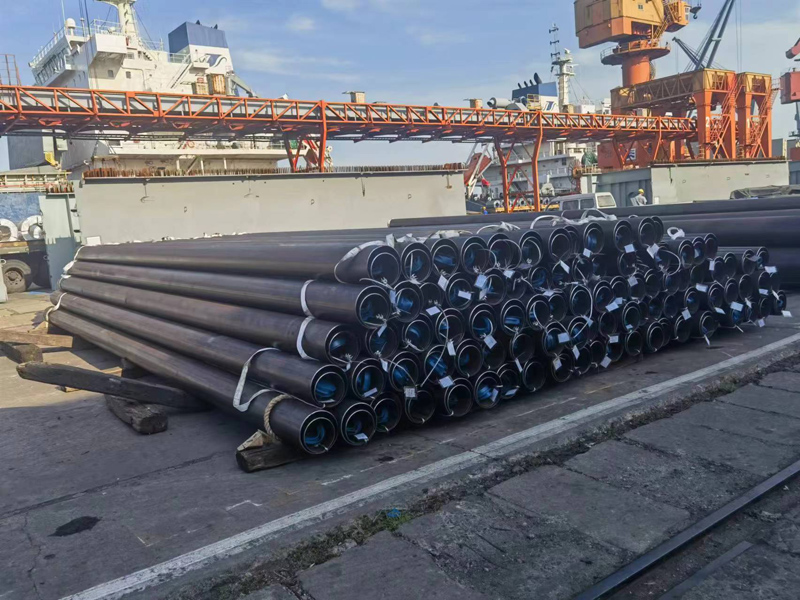
Your pipes travel with packing that can handle high humidity on the ocean. Suppliers use heat-treated wooden crates (ISPM-15) with inside supports to stop movement. They put desiccant bags and foam padding for sensitive tubes. Plastic caps protect the ends, and PE film keeps moisture off the surface. They can also add oil coating for extra rust protection. This good packing includes plastic caps, VCI (Vapor Corrosion Inhibitor), wooden crates, and steel bands. Your pipes arrive clean and undamaged anywhere in the world, ready for use in your pipeline project.
The best Chinese API 5L seamless steel pipe suppliers deliver an unmatched blend of certified quality, competitive pricing, and responsive service. YUAN STEEL PIPE exemplifies this evolution from low-cost producer to high-value partner. You should evaluate any potential supplier against concrete criteria, not reputation alone.
Trusted suppliers maintain active API monogram licenses, serve Fortune 500 clients like Shell and ExxonMobil, and demonstrate years of export experience since 1996.
Request factory audits, verify certifications on api.org, and demand sample testing before committing. Watch for red flags: unwillingness to allow inspections, fake documentation, or pressure for full upfront payment.
Chinese manufacturers now stand as essential partners for global energy infrastructure. Their advanced facilities and engineering expertise position them to power tomorrow's pipeline projects worldwide.
FAQ
How can I check if a supplier really has API 5L certification?
Look up the supplier’s license on the official API website at api.org. A real supplier has a current API monogram that matches the products they sell. Do not accept a photocopy as proof.
What packing does YUAN STEEL PIPE use for shipping overseas?
Pipes go in heat-treated wooden crates with plastic caps on each end. Vapor corrosion inhibitor (VCI) bags and desiccant keep moisture away. PE film wraps the pipe body. Steel bands hold the crates together.
How fast can I get standard-grade seamless pipes?
YUAN STEEL PIPE keeps more than 15,000 tons in stock each month. Standard sizes ship in as little as 7 days. You must check stock levels and export paperwork before you order.
Why is seamless pipe better than welded pipe for high pressure?
Seamless pipe has no weld seam. That removes the weakest spot found in welded pipes. The result is the same strength all through the pipe wall. This makes seamless pipe safer for high-pressure oil and gas transmission.


