


What's the meaning of API 5L for line pipe?
If you work in oil, gas, or pipeline engineering—or you are involved in sourcing steel pipes for industrial projects—you have almost certainly come across the term API 5L line pipe. It appears frequently in specifications, tenders, drawings, and contracts. Yet many people still ask a simple question: what does API 5L actually mean, and why is it so important?
In this detailed guide, we will clearly explain the meaning of API 5L for line pipe, why it matters, how it is classified, and how it is applied in real-world pipeline projects. This article is written in clear, professional language while remaining accessible to readers new to the topic.
What Is API 5L Line Pipe?
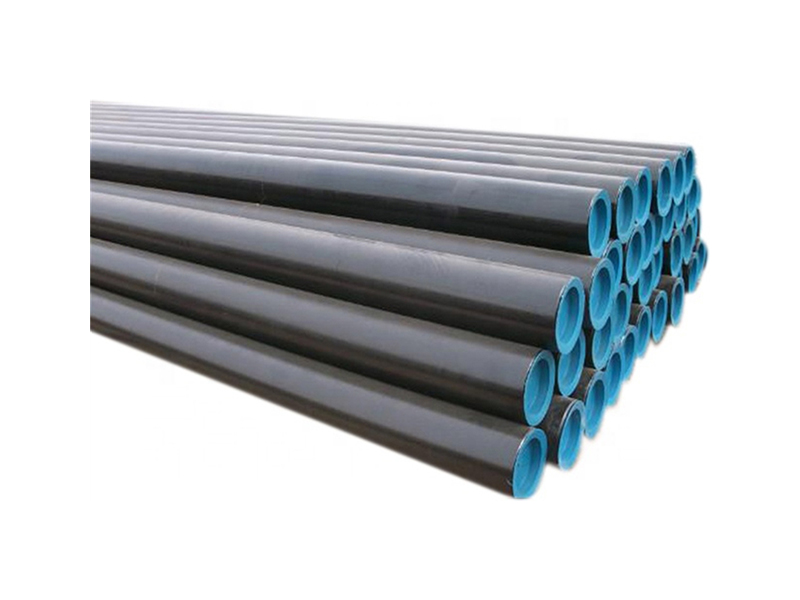
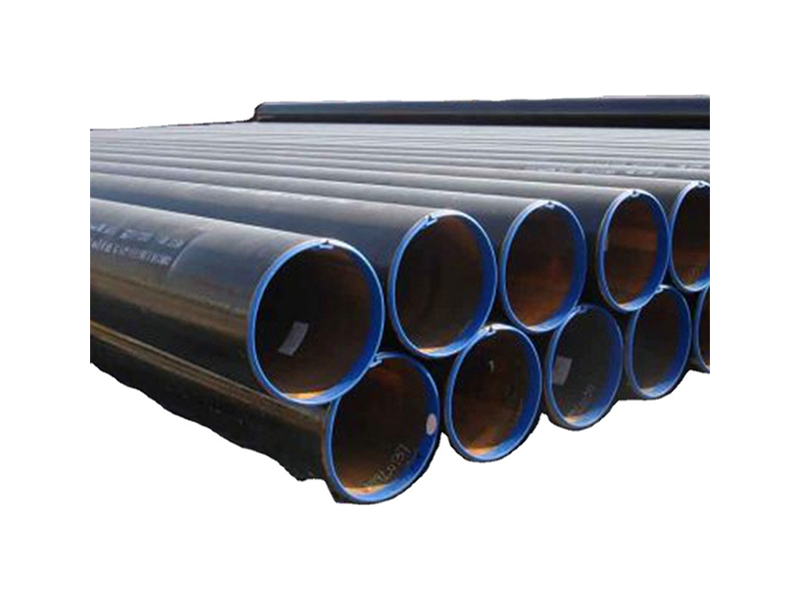
API 5L line pipe is a steel pipe manufactured according to the API 5L specification issued by the American Petroleum Institute (API). This specification defines technical requirements for pipes used to transport fluids such as oil, natural gas, water, and other liquids or gases through pipeline systems.
The key point is that API 5L applies specifically to line pipe, meaning pipe designed for fluid transmission rather than structural or mechanical use. These pipes are engineered to perform reliably over long distances, under internal pressure, and in demanding environmental conditions.
Understanding the American Petroleum Institute (API)
The American Petroleum Institute is a globally recognized organization that develops standards, recommended practices, and guidelines for the oil and gas industry. API standards are widely adopted not only in the United States but also across international markets.
API standards ensure consistency, safety, and quality across the supply chain. When a product is marked as API 5L line pipe, it indicates that the pipe has been produced and tested in compliance with one of the most respected pipeline standards in the world.
Why API Standards Matter for Line Pipe
Pipeline failures can have serious economic, environmental, and safety consequences. For this reason, pipeline materials must meet strict and verifiable requirements. API 5L establishes controls over chemical composition, mechanical properties, dimensional tolerances, and testing procedures.
Using API 5L line pipe reduces project risk, simplifies regulatory approvals, and improves long-term pipeline integrity. This is why it is often specified as a mandatory requirement in oil and gas projects.
What Does “5L” Mean in API 5L?
The designation “5L” has a specific meaning within the API standards framework. The number “5” refers to the API committee responsible for pipeline standards, while the letter “L” stands for “line pipe.”
In simple terms, API 5L means an API standard developed specifically for line pipe used in pipeline transportation systems.
The Purpose of API 5L Line Pipe
API 5L line pipe is intended for the transportation of fluids over long distances. These pipelines may cross deserts, mountains, offshore seabeds, and urban environments. As a result, the pipe must be capable of handling internal pressure, external stress, temperature changes, and potential corrosion.
Commonly transported media include crude oil, natural gas, refined petroleum products, industrial water, and slurry materials. The API 5L specification ensures that pipes used for these purposes deliver consistent performance and long-term reliability.
API 5L Product Specification Levels (PSL1 and PSL2)
One of the most important concepts in the API 5L standard is the division into two product specification levels: PSL1and PSL2.
PSL1 represents the basic level of API 5L line pipe. It includes standard chemical limits, basic mechanical property requirements, and fewer mandatory tests. PSL1 pipes are typically used in less demanding service conditions where operating pressures and environmental risks are lower.
PSL2 is the higher and more stringent level. It includes tighter controls on chemical composition, mandatory impact testing, enhanced non-destructive testing, and stricter traceability requirements. PSL2 API 5L line pipe is commonly required for high-pressure pipelines, offshore applications, and critical service environments.
The choice between PSL1 and PSL2 depends on project specifications, operating conditions, and regulatory requirements.
API 5L Line Pipe Grades Explained
API 5L defines multiple grades of line pipe, each corresponding to a minimum yield strength. The grade designation helps engineers select a pipe that can safely withstand the required operating pressure.
Lower grades such as API 5L Grade A and Grade B are often used in standard applications. Higher grades, identified with an “X” followed by a number—such as X52, X60, X65, or X70—indicate higher yield strength values.
For example, API 5L X60 line pipe has a minimum yield strength of 60,000 psi. Higher-grade pipes allow for thinner wall thicknesses while maintaining pressure capacity, which can reduce overall project weight and cost.
Manufacturing Methods for API 5L Line Pipe
API 5L line pipe can be manufactured using either seamless or welded processes, depending on diameter, wall thickness, and application requirements.
Seamless API 5L line pipe is produced without a welded seam. It offers excellent pressure resistance and uniform mechanical properties, making it suitable for high-pressure and high-temperature service.
Welded API 5L line pipe includes ERW (Electric Resistance Welded), LSAW (Longitudinal Submerged Arc Welded), and SSAW (Spiral Submerged Arc Welded) pipes. Welded pipes are widely used for large-diameter pipelines and are generally more cost-effective than seamless pipes.
Both manufacturing types are acceptable under API 5L, provided they meet the specified requirements.
Chemical Composition Requirements of API 5L Line Pipe
The API 5L standard strictly regulates chemical composition to ensure good weldability and mechanical performance. Key elements such as carbon, manganese, phosphorus, and sulfur are carefully controlled.
Lower carbon content improves weldability, while controlled levels of impurities reduce the risk of cracking and brittle failure. These chemical controls are especially important for PSL2 pipes used in critical service conditions.
Mechanical Properties of API 5L Line Pipe
Mechanical performance is a defining feature of API 5L line pipe. Each grade has specified minimum yield strength and tensile strength values that must be verified through testing.
For PSL2 pipes, impact toughness testing is often mandatory, particularly for pipelines operating in low-temperature environments. This ensures the pipe can resist brittle fracture and maintain structural integrity under sudden stress.
Testing and Inspection Requirements
API 5L requires a range of inspections and tests to verify compliance. These include chemical analysis, mechanical testing, and hydrostatic pressure testing.
For PSL2 line pipe, non-destructive testing methods such as ultrasonic testing or radiographic inspection are mandatory. These inspections help detect internal defects that could compromise pipeline safety.
Dimensional Tolerances and Accuracy
API 5L specifies allowable tolerances for outside diameter, wall thickness, and pipe length. Dimensional accuracy is critical for ensuring proper fit-up during welding and smooth pipeline installation.
Consistent dimensions reduce installation delays and minimize the risk of leaks or mechanical failure.
API 5L Line Pipe vs ASTM Pipe Standards
API 5L line pipe is often compared with ASTM pipe standards. While ASTM standards are widely used, many ASTM pipes are designed for structural or mechanical applications rather than fluid transmission.
API 5L is specifically tailored for pipeline service, making it the preferred choice when transporting oil, gas, or other fluids under pressure.
Applications of API 5L Line Pipe
API 5L line pipe is used extensively in onshore and offshore oil and gas pipelines. It is also widely applied in water transmission systems, industrial fluid transport, and energy infrastructure projects.
Its versatility and proven performance make it suitable for both large-scale international pipelines and smaller regional projects.
Advantages of Using API 5L Line Pipe
The key advantages of API 5L line pipe include global acceptance, a strong safety record, predictable performance, and availability in a wide range of grades and sizes.
Because the standard is internationally recognized, API 5L simplifies sourcing and ensures compatibility across global supply chains.
How to Choose the Right API 5L Line Pipe
Selecting the right API 5L line pipe requires careful consideration of operating pressure, fluid type, environmental conditions, and project budget. Engineers must also consider whether PSL1 or PSL2 is required and which grade best suits the design conditions.
Consulting applicable codes, project specifications, and experienced suppliers is essential for making the correct selection.
Certification and Traceability
Authentic API 5L line pipe is supplied with mill test certificates that confirm compliance with chemical, mechanical, and testing requirements. Traceability ensures that each pipe can be linked back to its production batch, enhancing quality control and accountability.
Common Misunderstandings About API 5L Line Pipe
A common misconception is that all API 5L pipes are the same. In reality, differences in grade, PSL level, and manufacturing method can significantly affect performance.
Another misunderstanding is that higher grade always means better. Higher grades are beneficial in high-pressure applications, but they are not always necessary or cost-effective for every project.
The Global Importance of API 5L Line Pipe
API 5L has become the dominant global standard for pipeline steel. It is used across North America, Europe, the Middle East, Asia, and Africa. Its widespread adoption supports consistent quality and safety in international pipeline projects.
Final Thoughts on the Meaning of API 5L Line Pipe
The true meaning of API 5L line pipe goes beyond a simple specification. It represents reliability, safety, and compliance with a globally trusted pipeline standard. For engineers, buyers, and project managers, understanding API 5L is essential for making informed decisions and ensuring long-term pipeline performance.
When transporting critical fluids over long distances, API 5L line pipe remains the benchmark standard trusted by the global energy and infrastructure industries.
Please Contact Us!
Recommended Products

API 5L X52 PSL1/ PSL2 Line Pipe
API 5L X60 PSL1 Line Pipe
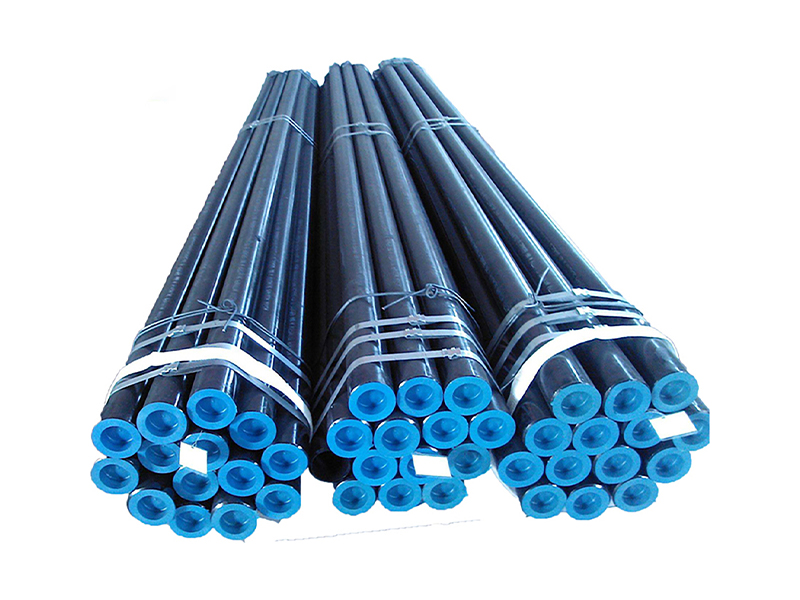
API 5L X70 PSL2 Line Pipe
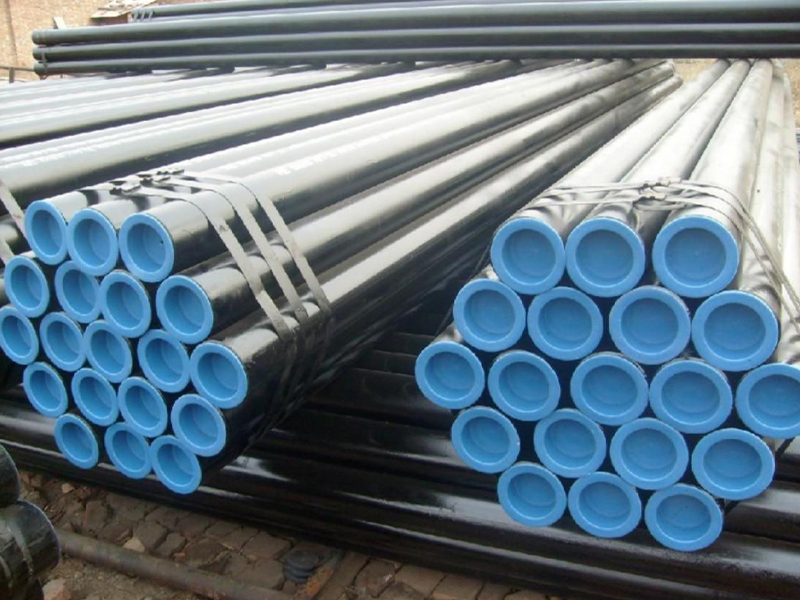
ASME SA 161 Grade C Carbon Steel Seamless Tube

ASTM A333 Grade 6 Low-Temperature Pipe

API 5L Grade B ERW Steel Pipe
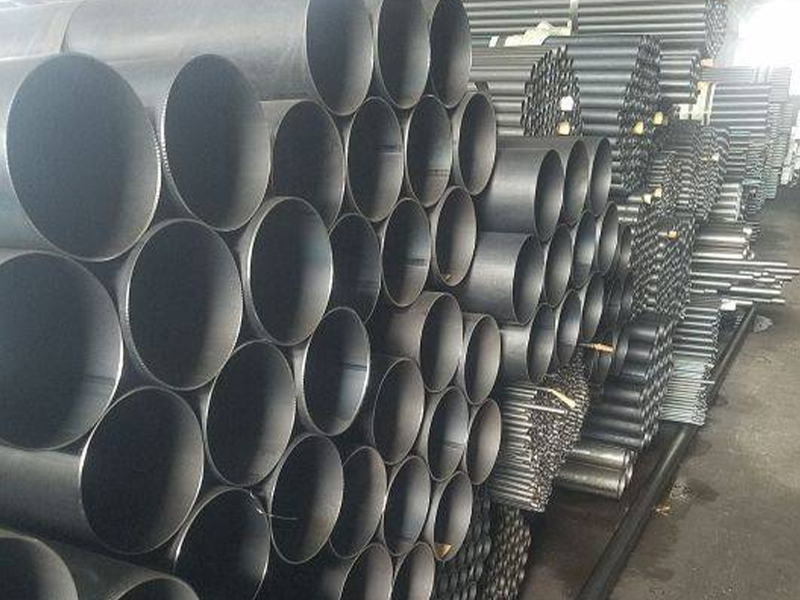
Carbon Steel Welded Pipe丨API 5L, ASTM A53 Steel Tubes
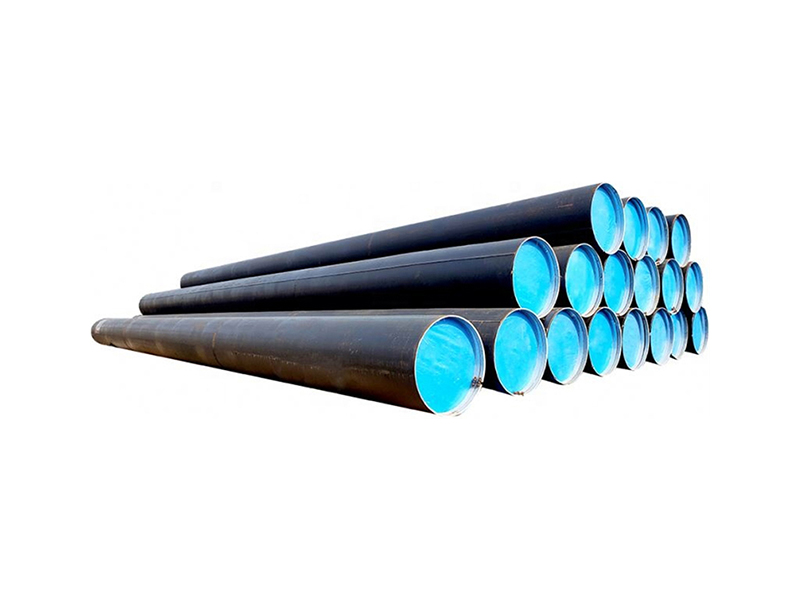
API 5L Seamless Pipe | Industrial Seamless Carbon Steel Pipe for Oil, Gas
ASTM A53 Grade B Sewer Line Pipes


