


Everything You Need to Know About Galvanized Pipe
Strong, corrosion-resistant, and built for long-term use, galvanized steel pipe has been trusted for decades. But what makes it so dependable? Why is it still so widely used today? And is it the right fit for your next project?
In this complete guide, you’ll learn everything you need to know about galvanized pipe, including how it’s made, its benefits, its disadvantages, how long it lasts, and how it compares to other materials. Think of this as your friendly, detailed, easy-to-understand manual.
What Is a Galvanized Pipe?
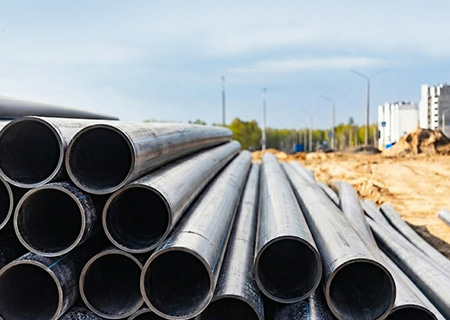
A galvanized pipe is a steel pipe coated with a layer of zinc to prevent corrosion. This zinc coating is like an armor shield—it protects the steel from moisture, chemicals, and environmental wear.
In simple terms? A galvanized steel pipe is like giving steel a waterproof jacket.
Why Is It Called “Galvanized”?
The name comes from the galvanization process, where steel is dipped into molten zinc. This causes the zinc to bond tightly with the steel, forming a long-lasting rust-resistant coating.
How Galvanized Steel Pipe Is Made
The galvanization process transforms ordinary steel pipe into a corrosion-resistant powerhouse. Here's how:
The Hot-Dip Galvanizing Process
Step 1 – Cleaning the Steel
Before coating, the pipe must be spotless. This stage includes degreasing, pickling (acid treatment), rinsing, and fluxing to ensure proper bonding.Step 2 – Dipping in Molten Zinc
The pipes are submerged in molten zinc at around 450°C (842°F). The zinc reacts with the steel to form multiple protective alloy layers.Step 3 – Cooling and Inspection
After dipping, the pipes cool in water or air. Then, they’re checked for coating thickness and overall quality.
Properties That Make Galvanized Pipe Special
Excellent Corrosion Resistance
The zinc layer corrodes first, protecting the steel underneath. This can extend the pipe’s lifespan up to 50 years or more.
High Strength and Durability
Because the base material is steel, galvanized pipes are strong and can handle mechanical stress, pressure, and outdoor exposure.
Long Service Life
With proper installation and environment, these pipes can last decades.
Cost-Effective Protection
Galvanization is more affordable than stainless steel yet lasts much longer than paint or sprayed coatings.
Types of Galvanized Steel Pipe
Hot-Dip Galvanized Pipe
The most durable and commonly used type. It features a thick, strong zinc coating.Electro-Galvanized Pipe
Made through electroplating. Has a thin coating and is best for indoor applications.Pre-Galvanized Pipe
Galvanized before assembly. Commonly used in structural frames and fencing.
Where Galvanized Pipe Is Used
Plumbing and Water Systems
Although modern homes use copper or PEX, galvanized steel pipe is still used for:
Outdoor water lines
Agricultural irrigation
Fire sprinkler systems
Industrial water transport
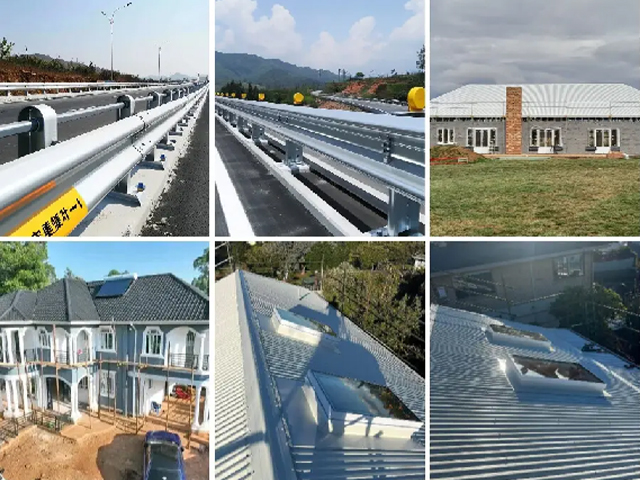
Construction and Infrastructure
You’ll find galvanized pipes in:
Railings
Scaffolding
Supporting structures
Building frames
Agriculture
They’re used in:
Greenhouses
Livestock enclosures
Irrigation
Equipment protection
Industrial Applications
Industries use them for:
Oil and gas transport
HVAC systems
Chemical processing
High-pressure lines
Fencing and Outdoor Use
Galvanized steel pipe is widely used for:
Fence posts
Playground structures
Signposts
Light poles
Advantages of Galvanized Steel Pipe
Superior Corrosion Protection
The zinc coating provides long-term resistance to rust even in moisture-heavy environments.Long Lifespan
Galvanized pipes can last 40–70 years, depending on installation and exposure.Durable and Strong
Great for outdoor, industrial, and heavy-duty applications.Low Maintenance
Compared to painted steel or coated pipe, galvanized pipe needs almost no maintenance.Cost-Effective
Offers strong protection at an affordable price.
Disadvantages of Galvanized Pipe
Internal Rust Buildup
Over time, older galvanized pipes may corrode from the inside, reducing water pressure.Heavy Weight
Galvanized steel is heavier than PVC, copper, and PEX.Not Ideal for Modern Drinking Water Lines
Older galvanized plumbing may release zinc or lead if the internal coating breaks.Harder to Cut and Work With
Requires special tools for cutting and threading.
How Long Does Galvanized Pipe Last?
While manufacturers often claim up to 70 years, real-world conditions vary.
Here’s a realistic breakdown:
Indoor use: 40–50 years
Outdoor exposure: 20–25 years
Underground installation: 25–50 years depending on soil
Factors affecting lifespan include:
pH of water
Moisture level
Soil quality
Structural stress
How to Identify a Galvanized Pipe
Not sure what type of pipe you're looking at? These clues help:
Color: Gray or matte silver
Texture: Slightly rough, speckled appearance
Surface: Zinc coating often looks mottled
Scratch test: The metal beneath will be silver if it’s galvanized steel
Galvanized Pipe vs. Other Pipe Materials
Choosing pipe material depends on what you're building.
Galvanized Pipe vs. Stainless Steel Pipe
| Feature | Galvanized Pipe | Stainless Steel |
|---|---|---|
| Corrosion Resistance | Good | Excellent |
| Strength | High | Very high |
| Cost | Lower | Much higher |
| Best Use | Outdoor structures | High-purity industries |
Verdict: Stainless steel lasts longer, but galvanized pipe is far more budget-friendly.
Galvanized Pipe vs. Copper Pipe
| Feature | Galvanized Steel | Copper |
|---|---|---|
| Lifespan | 40–50 years | 70+ years |
| Installation | Harder | Easier |
| Corrosion Resistance | Good | Excellent |
| Cost | Lower | Higher |
Verdict: Copper is better for plumbing; galvanized is better for structural use.
Galvanized Pipe vs. PVC Pipe
| Feature | Galvanized Pipe | PVC |
|---|---|---|
| Strength | Very high | Low |
| Rust Resistance | Yes | Yes |
| Flexibility | Low | High |
| Cost | Higher | Lower |
Verdict: PVC is great for lightweight water systems; galvanized pipe wins for strength.
Signs That You Should Replace Galvanized Pipe
If your home or building uses older plumbing, look for:
Reduced Water Pressure
Caused by internal rust buildup.Brown or Rusty Water
A clear sign of corrosion.Leaks and Moisture
Pinholes or cracks may form over decades.Visible External Rust
If rust is showing outside, internal corrosion is already advanced.
How to Maintain Galvanized Steel Pipe
Inspect Regularly
Check for rust, moisture, or changes in water quality.Protect the Threads
Use proper sealants to prevent rust at joints.Avoid Mixing Metals
Never connect galvanized directly to copper—it causes galvanic corrosion.Painting (Optional)
Applying an extra layer of anti-rust paint can help in harsh climates.
Is Galvanized Pipe Still Used Today?
Absolutely. While it’s no longer the first choice for indoor plumbing, it remains extremely popular for:
Outdoor structures
Fencing
Industrial projects
Construction frames
Greenhouses
Railings
Fire system lines
Its strength and corrosion resistance make it irreplaceable in many industries.
Conclusion: Should You Choose Galvanized Pipe?
Here's the bottom line:
Choose galvanized pipe if you need something strong, long-lasting, and corrosion-resistant for outdoor or industrial use.
Avoid it if you're installing modern indoor plumbing—copper, PEX, or PVC are better choices.
Galvanized steel pipe has stood the test of time. It’s reliable, durable, and cost-effective. Whether you're building a fence, supporting a structure, or creating an industrial framework, galvanized pipe remains one of the strongest choices you can make.
FAQs About Galvanized Pipe
- What is a galvanized pipe used for?
- It’s used in construction, fencing, agriculture, outdoor water systems, and industrial applications.
- Is galvanized steel safe for drinking water?
- Modern pipe is typically safe, but older galvanized plumbing may contain lead or contaminants.
- How long does galvanized pipe last?
- Typically 40–50 years, sometimes up to 70 depending on conditions.
- Does galvanized pipe rust?
- Not easily—the zinc coating protects it. But after decades, corrosion can occur.
- Can you weld galvanized pipe?
- Yes, but the zinc must be removed first to prevent harmful fumes.
- Can copper and galvanized pipe be connected?
- Not directly. It causes galvanic corrosion and leads to leaks.
Please Contact Us!
Recommended Products
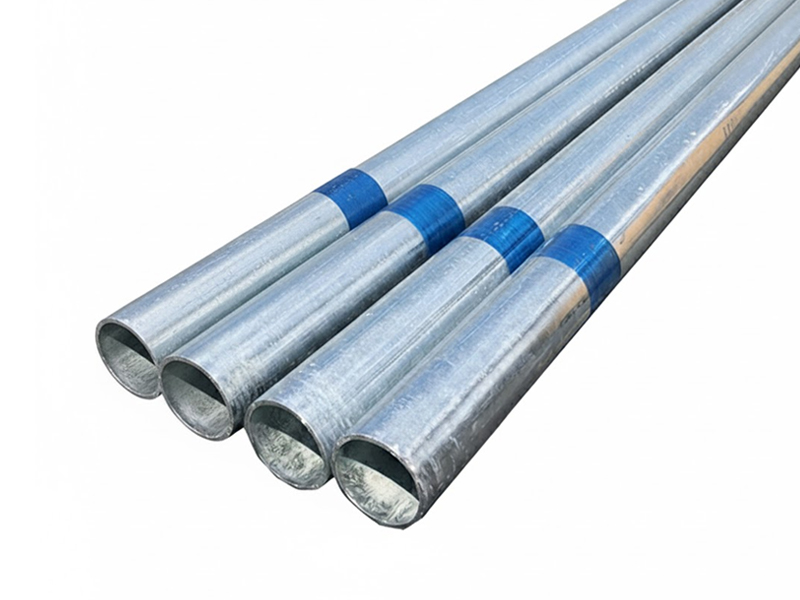
ASTM A53 Galvanized Steel Pipe
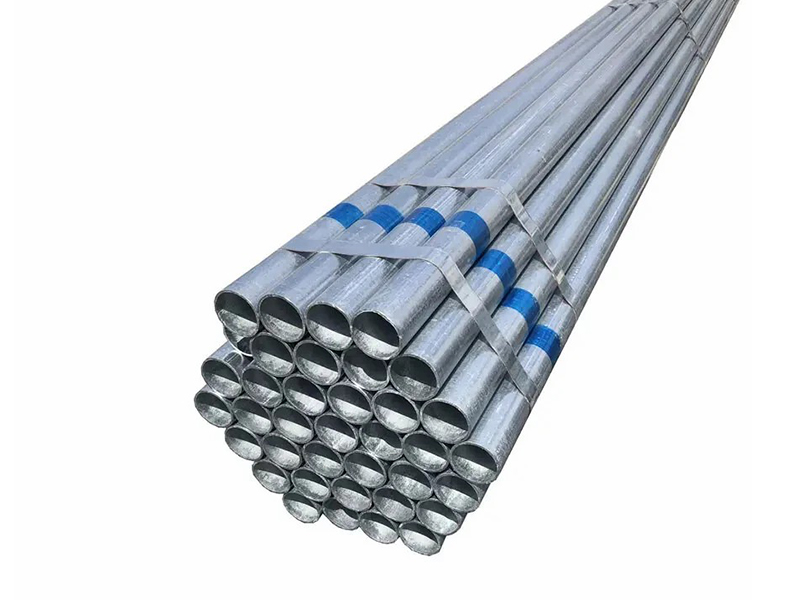
Welding Galvanized Steel Pipe ASTM A123
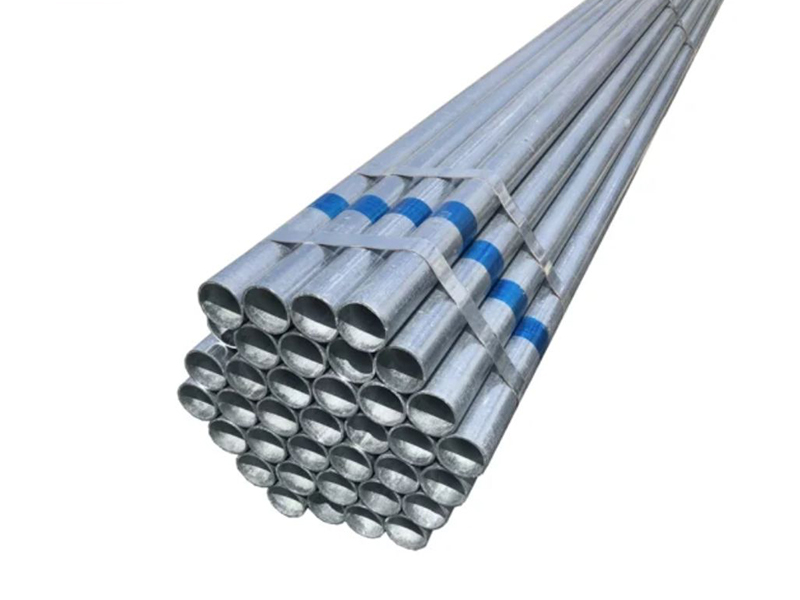
ASTM A123 Hot Dip Galvanized Steel Pipe
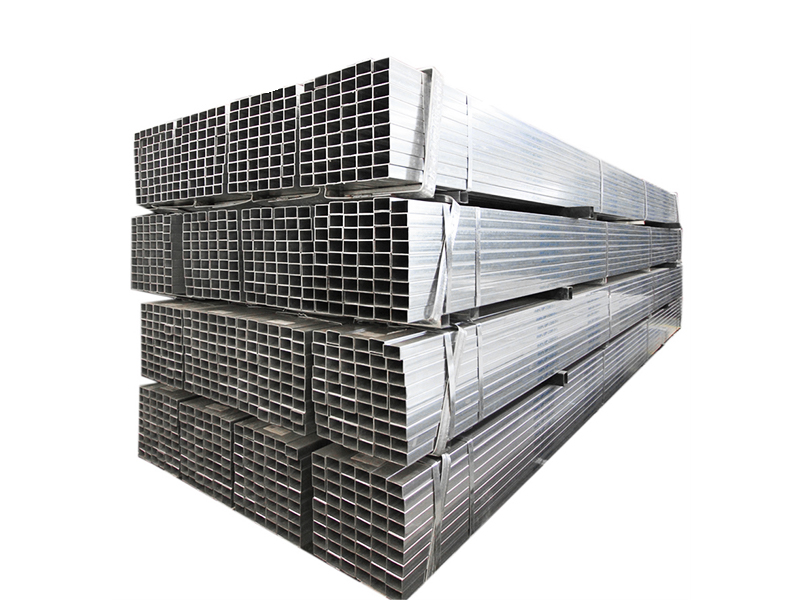
ASTM 53 Grade b Galvanized Square Tubing
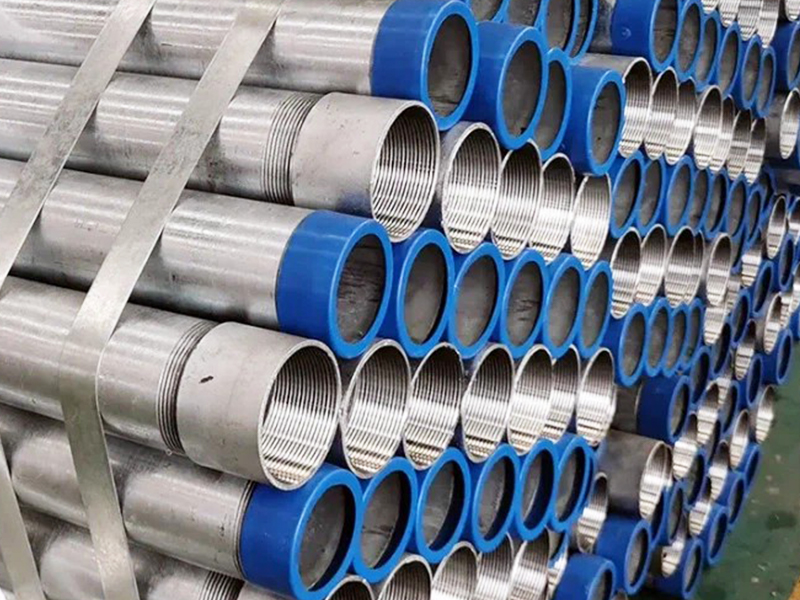
EN10255 Galvanized Gas Steel Pipe And Tubes
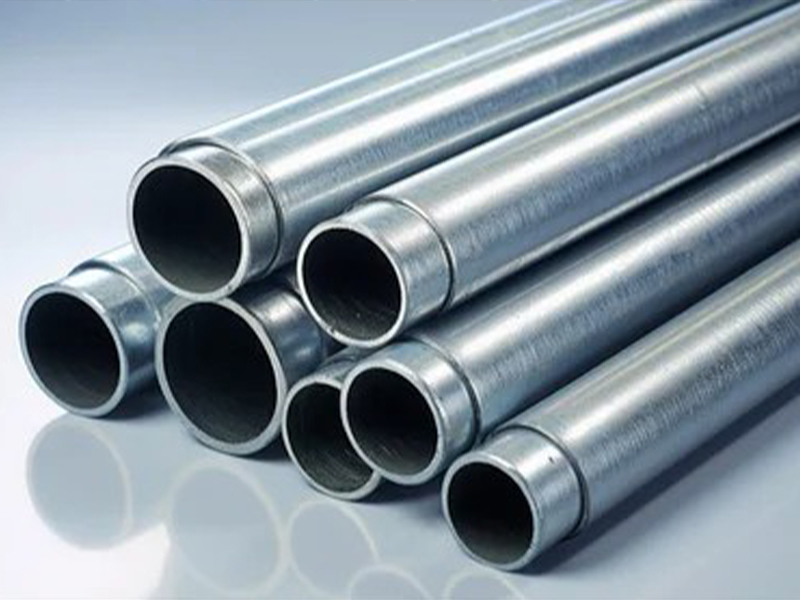
ASTM A53 Gr B Steel Tube for Industrial Conduit
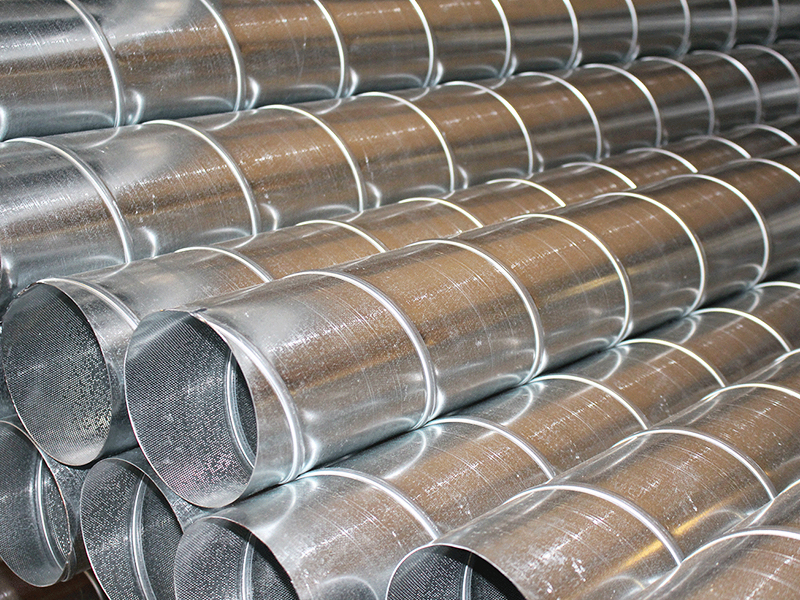
ASTM A527 G90 Galvanized Duct Pipe
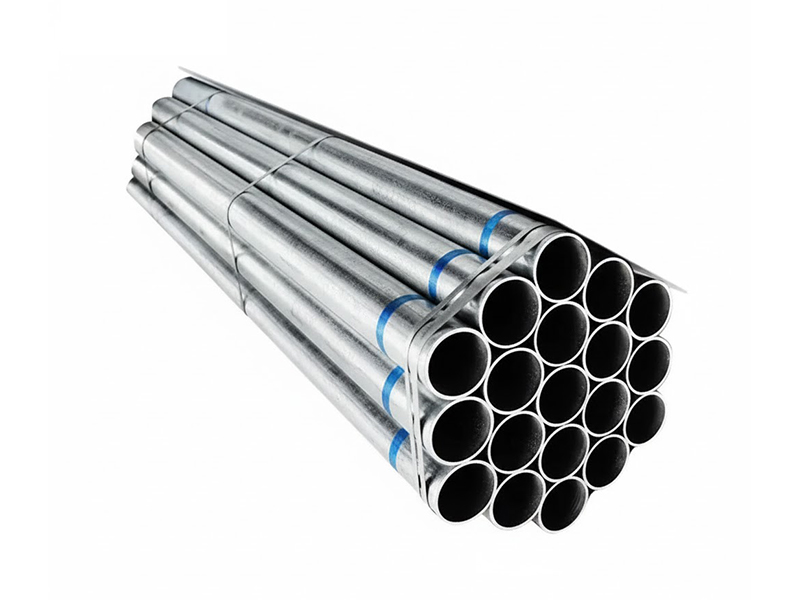
EN 10255 Galvanised Pipe for Water


