
When it comes to high-temperature and high-pressure applications, ASTM A106 seamless carbon steel pipe is one of the most widely specified materials in the global piping industry. Engineers, EPC contractors, and buyers frequently face one critical question: what is the real difference between ASTM A106 Grade B and Grade C?
At first glance, A106 Grade B and Grade C may seem almost identical. They share the same standard, similar chemical composition ranges, and overlapping applications. However, dig deeper, and you’ll find important mechanical, performance, and cost differences that directly impact safety, service life, and project budgets.
In this in-depth guide, we’ll break everything down clearly—without jargon overload. By the end, you’ll know exactly when to use A106B steel pipe, when A106 Grade C makes more sense, and how ASTM A106 pipe compares to ASTM galvanized pipes in real-world applications.
Understanding ASTM A106 Seamless Carbon Steel Pipe
Before comparing grades, let’s establish what ASTM A106 seamless carbon steel pipe actually is.
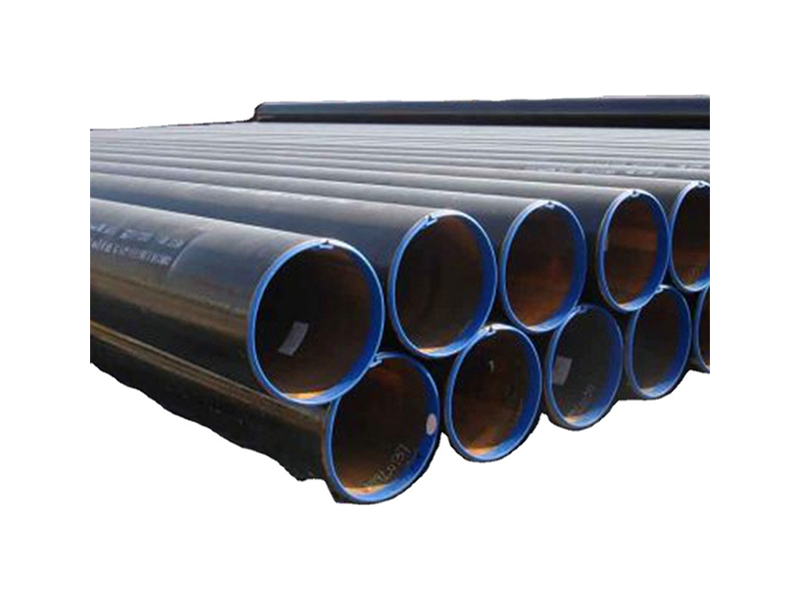
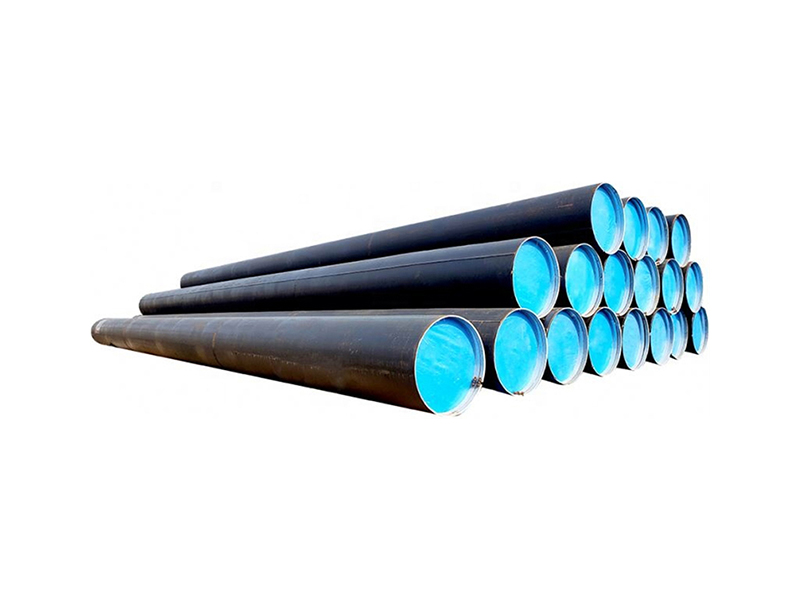
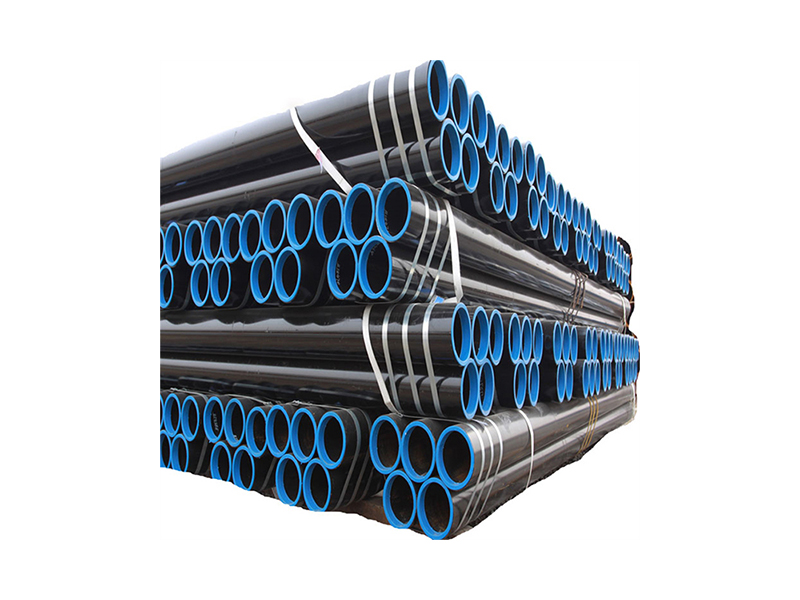
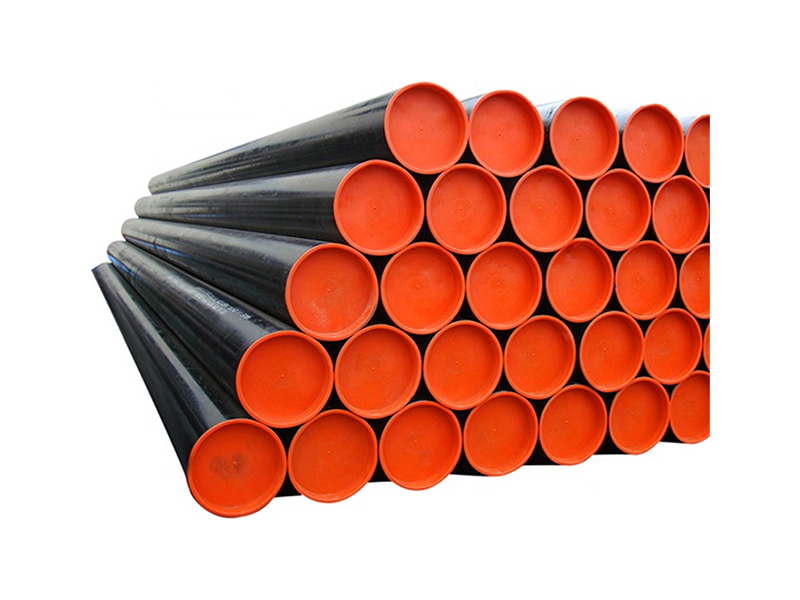
ASTM A106 is a specification issued by ASTM International that covers seamless carbon steel pipe for high-temperature service. Unlike welded pipes, these pipes are manufactured without a weld seam, which gives them superior pressure resistance and uniform strength.
Key Characteristics of ASTM A106 Pipe
Seamless construction
Designed for high-temperature and high-pressure environments
Commonly used in power plants, refineries, petrochemical facilities, and boilers
Available in Grades A, B, and C (Grade B being the most common)
Among these, A106B steel pipe and Grade C dominate industrial usage.
ASTM A106 Grade B Steel Tube
If ASTM A106 pipe had a “default setting,” it would be A106 Grade B.
Why Is A106 Grade B So Popular?
A106 Gr B pipe offers an excellent balance between strength, availability, and cost. It is strong enough for most high-temperature services while remaining economical and easy to source.
Mechanical Properties of A106B Steel Pipe
Minimum Tensile Strength: 415 MPa (60,000 psi)
Minimum Yield Strength: 240 MPa (35,000 psi)
These values make a106 gr b pipe suitable for a wide range of pressure-bearing systems without overengineering the project.
Common Applications
Oil and gas pipelines
Steam lines
Boilers and heat exchangers
Refineries and petrochemical plants
In short, ASTM A106B is the “safe choice” when project conditions are demanding but not extreme.
ASTM A106 Grade C: Higher Strength for Tougher Conditions
Now let’s step up to ASTM A106 Grade C.
Grade C is designed for applications where higher strength and improved pressure resistance are required. It contains more carbon than Grade B, which directly enhances its mechanical performance.
Mechanical Properties of ASTM A106 Grade C
Minimum Tensile Strength: 485 MPa (70,000 psi)
Minimum Yield Strength: 275 MPa (40,000 psi)
That jump in strength may not look dramatic on paper, but in high-stress systems, it can be the difference between long-term reliability and premature failure.
Where Grade C Excels
Extremely high-pressure pipelines
Critical power generation systems
Severe service environments
Applications requiring thinner wall thickness with higher strength
If Grade B is the workhorse, Grade C is the heavy-duty specialist.
Chemical Composition: How Grade B and C Differ
Both grades fall under the same ASTM A106 standard, but their chemical compositions are not identical.
Key Chemical Differences
Carbon Content
Grade B: Lower carbon
Grade C: Higher carbon
This higher carbon content is the primary reason Grade C has greater strength. However, it also affects weldability and cost.
Impact on Performance
Higher carbon = higher strength
Higher carbon = slightly reduced weldability
Higher carbon = higher material cost
This is why many engineers stick with ASTM A106B unless higher strength is absolutely necessary.
Pressure and Temperature Performance Comparison
One of the biggest decision factors between A106B steel pipe and Grade C is performance under pressure and heat.
ASTM A106 Pipe in High-Temperature Service
Both grades are suitable for:
Elevated temperatures
Thermal expansion environments
Cyclic heating and cooling
However, Grade C performs better at extreme pressure levels, allowing designers to:
Reduce wall thickness
Increase safety margins
Extend service life
For moderately high temperatures, A106 gr B pipe performs flawlessly. For extreme conditions, Grade C provides peace of mind.
Cost Comparison: ASTM A106 Grade B vs Grade C
Cost always matters.
Why ASTM A106 Grade B Steel pipe Is More Economical
Lower alloy content
Higher global availability
Easier fabrication and welding
Why ASTM A106 Grade C Costs More
Higher carbon content
Increased strength requirements
More stringent quality control
In most projects, ASTM A106B offers the best cost-to-performance ratio. Grade C is typically reserved for specialized applications where its extra strength justifies the higher price.
Weldability and Fabrication Considerations
If your project involves extensive welding, this section is critical.
ASTM A106B Steel Pipe
Excellent weldability
Widely compatible with standard welding procedures
Lower risk of cracking
ASTM A106 Grade C steel pipe
Slightly reduced weldability
Requires stricter welding control
May need preheating or post-weld heat treatment
For fabrication-heavy projects, A106 gr B pipe is often the safer and faster choice.
Which Grade Should You Choose? Practical Decision Guide
Still unsure? Here’s a simple way to decide:
Choose ASTM A106B Steel Tube If:
Your project involves standard high-temperature service
Cost efficiency is important
Welding and fabrication are extensive
Pressure levels are moderate to high
Choose ASTM A106 Grade C Steel Tube If:
Pressure levels are extremely high
Safety margins must be maximized
Wall thickness needs to be minimized
Long-term durability under stress is critical
For most industrial projects worldwide, A106B steel pipe remains the preferred solution.
Common Industry Standards and Compatibility
Both grades are commonly used alongside:
ASME B31.1 / B31.3 piping codes
Power plant and refinery specifications
Oil & gas project requirements
This widespread acceptance is another reason ASTM A106 pipe dominates the market.
Frequently Asked Questions
Is ASTM A106B stronger than A53?
Yes. ASTM A106B offers better high-temperature performance and pressure resistance than ASTM A53.
Can ASTM A106 pipes be galvanized?
Technically yes, but it’s uncommon. ASTM galvanized pipes are usually specified under different standards optimized for coating adhesion and corrosion resistance.
Is Grade C always better than Grade B?
Not necessarily. Grade C is stronger, but A106 gr B pipe is often more practical and economical.
Final Thoughts
Understanding the difference between ASTM A106 Grade B and Grade C is not just a technical exercise—it’s a strategic decision that affects safety, performance, and cost.
ASTM A106 seamless carbon steel pipe is the go-to solution for high-temperature service
A106B steel pipe offers the best balance of strength, cost, and weldability
Grade C is ideal for extreme pressure applications
ASTM galvanized pipes serve an entirely different purpose focused on corrosion protection
When in doubt, most engineers trust ASTM A106B—and for good reason. It has proven itself across decades of industrial use, delivering reliability where it matters most.
If you’re selecting pipe material for your next project, choosing the right grade of ASTM A106 pipe can make all the difference between average performance and long-term success.