


A53 vs A106 Steel Pipes: Which Grade Fits Your Needs
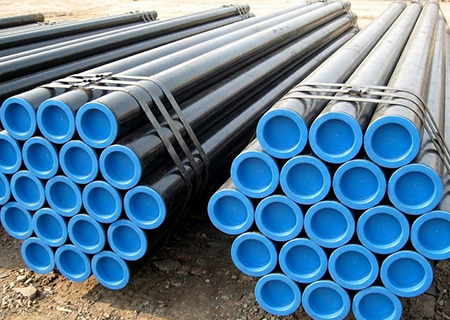
When selecting steel pipes for industrial, construction, or energy-related projects, material grade is not a detail—it is a decision that affects safety, performance, and long-term cost. Among carbon steel pipes, A53 steel pipe and A106 steel pipe are two of the most commonly specified standards, yet they are often misunderstood or incorrectly substituted.
So how do you choose between ASTM A53 galvanized steel pipe, ASTM A106 pipe, or more specific grades like A106 Gr B pipe? This article breaks down the differences in a practical, easy-to-understand way, helping buyers, engineers, and project managers select the right pipe for real-world applications.
Drawing on manufacturing and export experience, this guide reflects the technical perspective of Yuan Steel Pipe, a professional supplier of ASTM carbon steel pipes for global markets.
Key Takeaways
A53 steel pipe is widely used for structural and low-pressure applications
ASTM A53 galvanized steel pipe offers corrosion resistance for outdoor and general service use
ASTM A106 pipe is designed for high-temperature and high-pressure environments
A106 Gr B pipe is the most commonly specified grade for energy and process industries
Choosing the correct grade improves safety, compliance, and lifecycle performance
What Are ASTM A53 and ASTM A106 Steel Pipes?
ASTM standards define chemical composition, mechanical properties, and manufacturing processes to ensure consistent performance.
A53 steel pipe is intended for mechanical and pressure applications, as well as ordinary structural use
ASTM A106 pipe is specifically engineered for high-temperature service
Although they may appear similar, their performance boundaries and recommended uses differ significantly.
Understanding A53 Steel Pipe
Overview of A53 Steel Pipe
A53 steel pipe is a general-purpose carbon steel pipe produced in seamless or welded form. It is commonly supplied in Grade A or Grade B, with Grade B being more widely used due to higher strength.
Typical Applications
Structural supports
Low-pressure fluid transport
Fire protection piping
Mechanical systems
ASTM A53 Galvanized Steel Pipe
ASTM A53 galvanized steel pipe is zinc-coated to improve corrosion resistance. This makes it suitable for:
Outdoor installations
Water lines
Temporary structures
Environments with moderate moisture exposure
Galvanizing does not significantly increase pressure or temperature capability, but it does extend service life in corrosive conditions.
Understanding ASTM A106 Steel Pipe
Purpose of ASTM A106 Pipe
ASTM A106 pipe is manufactured for high-temperature and high-pressure service. It is seamless by specification, which improves uniformity and strength under thermal stress.
Why A106 Gr B Pipe Is the Industry Standard
Among available grades, A106 Gr B pipe is the most widely used because it balances strength, weldability, and cost.
Common applications include:
Oil and gas pipelines
Power generation systems
Refineries and petrochemical plants
High-temperature process piping
Chemical Composition Differences
While both standards use carbon steel, ASTM A106 pipe has tighter chemical controls to ensure high-temperature performance.
| Element | A53 Steel Pipe (Max %) | ASTM A106 Pipe (Max %) |
|---|---|---|
| Carbon | 0.30 | 0.30 |
| Manganese | 1.20 | 1.20 |
| Phosphorus | 0.05 | 0.035 |
| Sulfur | 0.045 | 0.035 |
| Silicon | — | 0.10 (min) |
These tighter limits improve resistance to thermal cracking and pressure-related deformation.
Mechanical Properties Comparison
| Property | A53 Grade B | A106 Gr B Pipe |
|---|---|---|
| Tensile Strength | ≥ 415 MPa | ≥ 415 MPa |
| Yield Strength | ≥ 240 MPa | ≥ 240 MPa |
| Elongation | Similar (size dependent) | Similar (size dependent) |
| High-Temperature Suitability | Limited | Excellent |
Although strength values appear similar at room temperature, ASTM A106 pipe performs far better under elevated temperatures.
Pressure and Temperature Performance
This is where the difference becomes critical.
A53 steel pipe is suitable for low to moderate pressure and ambient temperature conditions
ASTM A106 pipe is designed for continuous service at elevated temperatures, commonly used in steam and process systems
Using A53 steel pipe in high-temperature environments can lead to reduced service life or compliance issues.
Manufacturing and Inspection Differences
A53 steel pipe may be seamless or welded
ASTM A106 pipe must be seamless
ASTM A106 pipe undergoes more stringent testing, including flattening and hydrostatic tests
These requirements increase reliability in critical systems.
Application-Based Selection Guide
| Application | Recommended Pipe |
|---|---|
| Structural support | A53 steel pipe |
| Outdoor water lines | ASTM A53 galvanized steel pipe |
| Low-pressure systems | A53 steel pipe |
| High-temperature pipelines | ASTM A106 pipe |
| Oil & gas processing | A106 Gr B pipe |
| Power plants | ASTM A106 pipe |
Why Proper Grade Selection Matters
Choosing the wrong pipe grade can result in:
Premature failure
Safety risks
Regulatory non-compliance
Higher maintenance costs
Matching the material standard to the operating environment ensures both performance and peace of mind.
How Yuan Steel Pipe Supports Reliable Projects
Yuan Steel Pipe specializes in the supply of ASTM carbon steel pipes that meet international standards and real-world application demands. With a focus on quality control and export compliance, Yuan Steel Pipe provides:
Consistent-quality A53 steel pipe solutions
Reliable ASTM A53 galvanized steel pipe for corrosion-prone environments
Seamless ASTM A106 pipe, including A106 Gr B pipe, for high-pressure systems
This expertise helps buyers select the right grade with confidence and clarity.
Frequently Asked Questions (FAQ)
Can A53 steel pipe replace ASTM A106 pipe?
No. A53 steel pipe is not designed for sustained high-temperature service.
Is ASTM A53 galvanized steel pipe suitable for gas lines?
It can be used for low-pressure applications, subject to local code approval.
Why is A106 Gr B pipe preferred in oil and gas projects?
Because it maintains strength and integrity under high temperature and pressure.
Are the strength values of A53 and A106 the same?
At room temperature, they are similar, but ASTM A106 pipe performs better at elevated temperatures.
Conclusion
Selecting between A53 steel pipe and ASTM A106 pipe is not about which is stronger on paper—it’s about which grade fits your operating conditions. From general construction to high-temperature industrial systems, understanding these differences ensures safer, more efficient projects.
With proven expertise in ASTM standards, Yuan Steel Pipe supports global buyers with reliable material solutions tailored to real application needs.
Please Contact Us!
Recommended Products
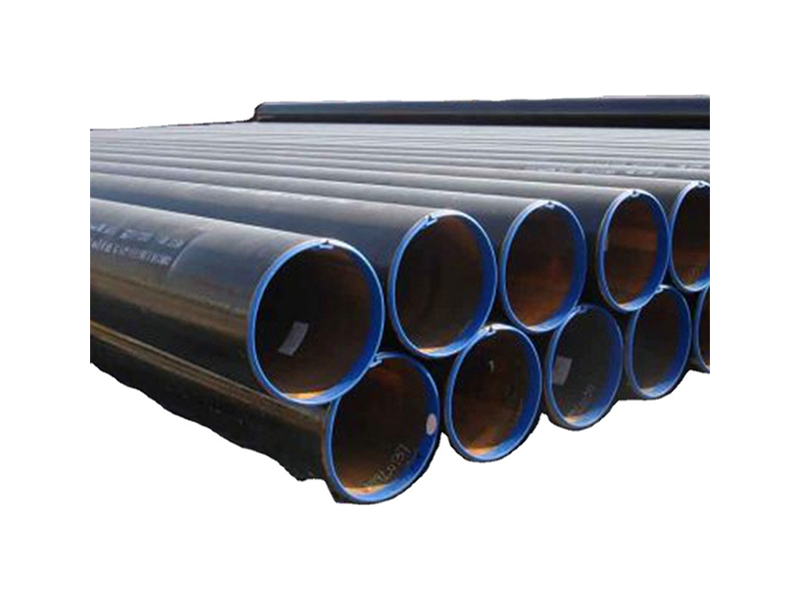
ASTM A53 Grade B Sewer Line Pipes
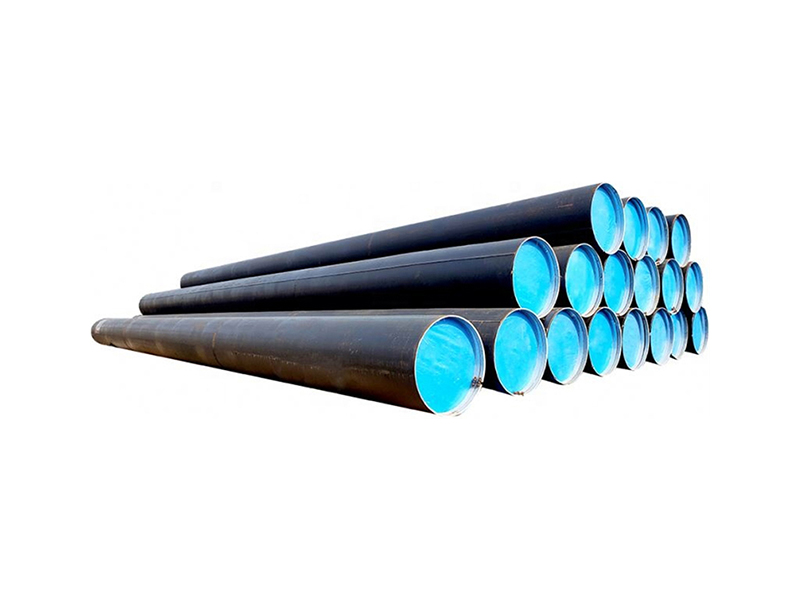
API 5L Seamless Pipe | Industrial Seamless Carbon Steel Pipe for Oil, Gas
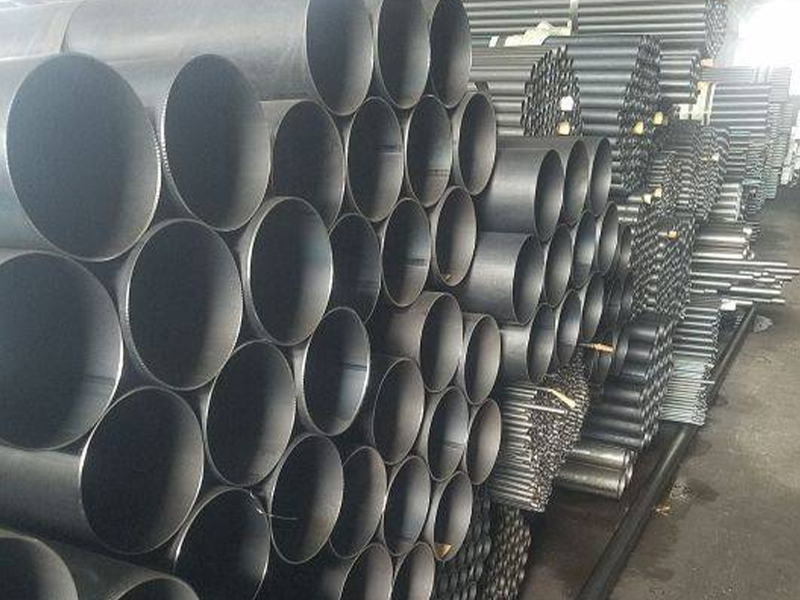
Carbon Steel Welded Pipe丨API 5L, ASTM A53 Steel Tubes

ASTM A53 Grade B Seamless Tube
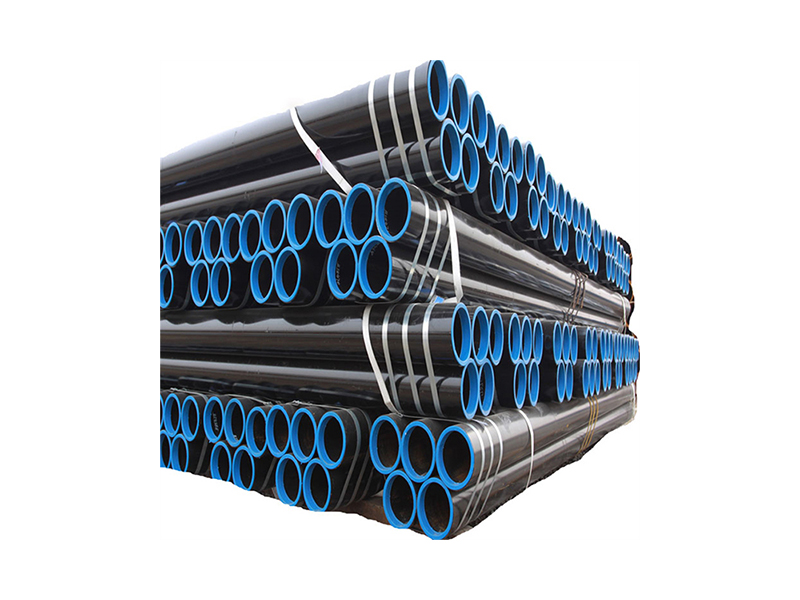
ASTM A106 Grade C Seamless Pipe
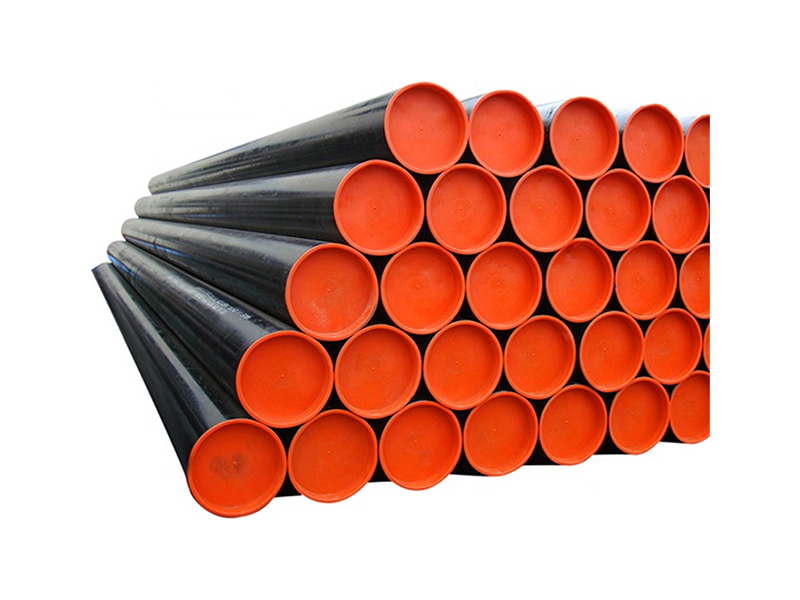
ASTM A106 Grade B Seamless Pipe
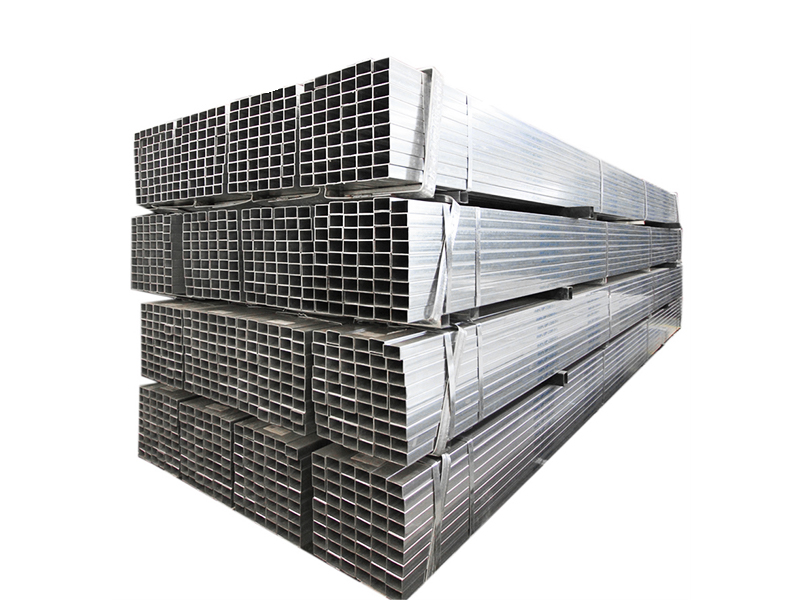
ASTM 53 Grade b Galvanized Square Tubing
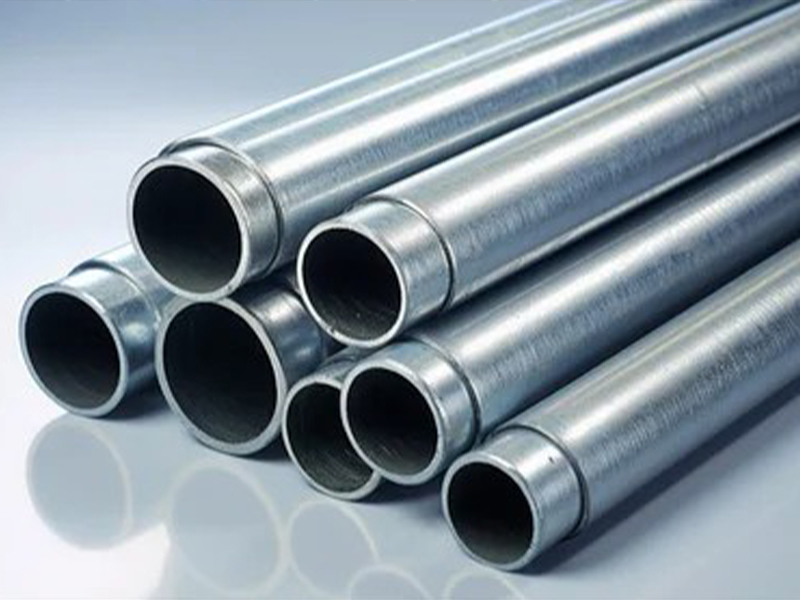
ASTM A53 Gr B Steel Tube for Industrial Conduit

Recent News
1.Everything You Need to Know About Galvanized Pipe
2025-12-102.What's the meaning of API 5L for line pipe?
2025-12-173.What Is the Difference Between ASTM A106 Grade B and Grade C?
2026-01-154.Why ASTM A53 Galvanized Pipe is the Gold Standard for Modern Plumbing & HVAC
2025-11-035.Innovation in API 5L PSL1 Line Pipe: Efficiency Meets Reliability
2025-11-03


