


API 5L Line Pipe Guide: Specifications, Grades, and Industrial Applications Explained
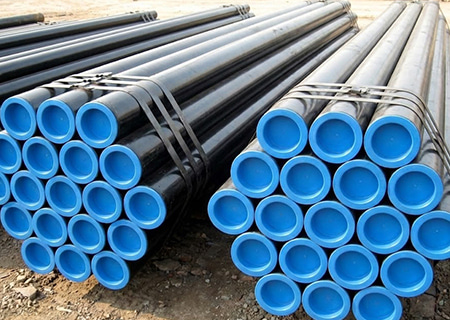
Pipelines are the backbone of the global energy and industrial supply chain. From transporting crude oil and natural gas to moving refined petroleum products and water, the reliability of pipeline systems directly affects safety, efficiency, and long-term operating costs. This is why API 5L Line Pipe has become one of the most widely specified pipeline standards worldwide.
Designed to meet strict mechanical, chemical, and performance requirements, API 5L line pipe ensures consistent quality across demanding environments. However, many buyers and engineers still struggle to fully understand API 5L specifications, grade differences, and real-world applications.
This guide provides a clear and practical overview of API 5L Line Pipe, helping you select the right pipe grade and specification for your project—without unnecessary complexity.
Key Takeaways
API 5L Line Pipe is the global standard for oil, gas, and fluid transmission
API 5L includes multiple grades designed for different pressure and service conditions
Proper grade selection improves safety, service life, and cost efficiency
Manufacturing method and inspection requirements directly affect performance
Working with an experienced supplier like Yuan Steel Pipe ensures consistent quality
What Is API 5L Line Pipe?
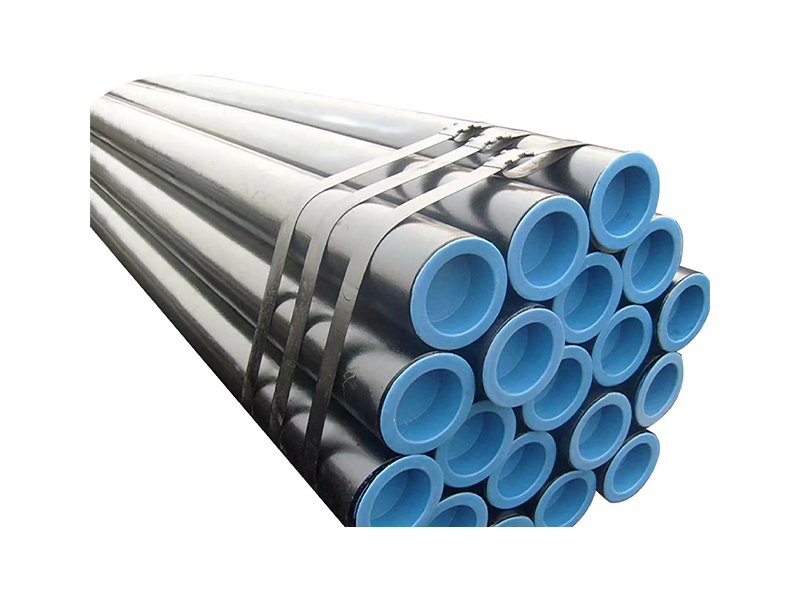
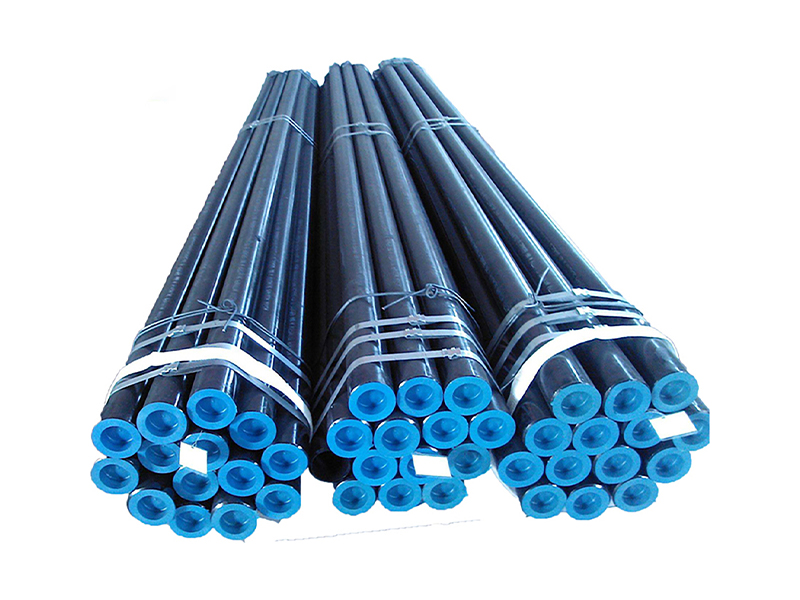
API 5L Line Pipe is a steel pipe manufactured in accordance with the American Petroleum Institute (API) standard for pipeline transportation systems. It is specifically designed to carry oil, gas, water, and other fluids in upstream, midstream, and downstream applications.
Unlike general-purpose steel pipes, API 5L line pipe must meet strict requirements for strength, toughness, chemical composition, and dimensional accuracy.
API 5L Specification Overview
The API 5L specification defines requirements for:
Steel grades and mechanical properties
Manufacturing processes
Chemical composition limits
Testing and inspection procedures
API 5L Line Pipe Specification Levels (PSL)
| Specification Level | Description |
|---|---|
| PSL1 | Standard requirements for general pipeline use |
| PSL2 | Enhanced requirements for chemical composition, toughness, and testing |
PSL2 API 5L Line Pipe includes additional impact testing and tighter quality controls, making it suitable for more demanding environments.
API 5L Line Pipe Grades Explained
API 5L grades are defined by their minimum yield strength, expressed in ksi (kilo pounds per square inch).
| API 5L Grade | Minimum Yield Strength |
|---|---|
| A25 | 25 ksi |
| A | 30 ksi |
| B | 35 ksi |
| X42 | 42 ksi |
| X46 | 46 ksi |
| X52 | 52 ksi |
| X56 | 56 ksi |
| X60 | 60 ksi |
| X65 | 65 ksi |
| X70 | 70 ksi |
Higher grades offer greater strength, allowing for thinner wall thickness or higher operating pressure, which can reduce overall project costs.
Chemical Composition Requirements
The chemical composition of API 5L line pipe is carefully controlled to ensure weldability and toughness.
| Element | Typical Limit (PSL2) |
|---|---|
| Carbon (C) | ≤ 0.26% |
| Manganese (Mn) | ≤ 1.65% |
| Phosphorus (P) | ≤ 0.025% |
| Sulfur (S) | ≤ 0.015% |
These limits help prevent brittle failure and ensure long-term performance under pressure.
Manufacturing Methods of API 5L Line Pipe
API 5L line pipe can be produced using several manufacturing processes.
| Manufacturing Method | Description |
|---|---|
| Seamless | Uniform structure, high pressure resistance |
| ERW | High efficiency, consistent dimensions |
| LSAW | Suitable for large diameters and thick walls |
| SSAW | Cost-effective for long-distance pipelines |
Each method is approved under the API 5L standard when produced and tested correctly.
Mechanical Properties and Performance
Mechanical performance is critical for pipeline safety.
| Property | Importance |
|---|---|
| Yield strength | Determines pressure capacity |
| Tensile strength | Resistance to fracture |
| Impact toughness | Performance in low temperatures |
| Elongation | Ductility and formability |
Proper mechanical balance ensures the API 5L line pipe can withstand internal pressure, temperature variations, and external stress.
Dimensional Range and Standards
API 5L line pipe is available in a wide range of dimensions.
| Parameter | Typical Range |
|---|---|
| Outside Diameter | 21.3 mm – 2,032 mm |
| Wall Thickness | 2.0 mm – 40.0 mm |
| Length | Random / Fixed / Double Random |
These ranges allow flexibility for various pipeline design requirements.
Industrial Applications of API 5L Line Pipe
Oil and Gas Transmission
API 5L line pipe is the primary choice for:
Crude oil pipelines
Natural gas transportation
Offshore and onshore pipeline systems
Water Transmission Projects
High-grade API 5L line pipe is widely used for:
Municipal water pipelines
Industrial water transport
Desalination systems
Energy and Infrastructure Projects
API 5L line pipe is also applied in:
Power plants
Petrochemical facilities
Cross-country pipeline networks
Why Grade Selection Matters
Selecting the wrong grade can result in:
Overdesign and unnecessary cost
Insufficient pressure capacity
Reduced service life
A properly selected API 5L Line Pipe balances strength, weldability, and cost efficiency.
Quality Control and Testing Requirements
API 5L requires strict inspection procedures, including:
Chemical composition analysis
Tensile and yield testing
Hydrostatic pressure testing
Non-destructive testing (NDT)
These inspections ensure each API 5L line pipe meets specification requirements before delivery.
Why Choose Yuan Steel Pipe for API 5L Line Pipe
Yuan Steel Pipe focuses on delivering API 5L line pipe solutions that meet international standards and real-world project needs. With controlled manufacturing processes, strict inspection procedures, and application-oriented support, Yuan Steel Pipe provides:
Consistent material quality
Reliable mechanical performance
Stable supply for large-scale projects
Technical support for grade selection
This makes Yuan Steel Pipe a dependable partner for pipeline projects worldwide.
FAQ: API 5L Line Pipe
What is API 5L Line Pipe mainly used for?
API 5L line pipe is used to transport oil, gas, water, and other fluids in pipeline systems.
What is the difference between PSL1 and PSL2?
PSL2 includes stricter chemical limits and additional testing for higher reliability.
Which API 5L grade is most commonly used?
Grade B and X52 are widely used, while higher grades like X65 and X70 are selected for high-pressure pipelines.
Is API 5L line pipe suitable for offshore pipelines?
Yes, when properly specified and tested, it is suitable for offshore applications.
How do I choose the right API 5L line pipe grade?
Grade selection depends on pressure, temperature, environment, and project requirements.
Please Contact Us!


Recent News
1.What's the meaning of API 5L for line pipe?
2025-12-172.Innovation in API 5L PSL1 Line Pipe: Efficiency Meets Reliability
2025-11-033.What Is the Difference Between ASTM A106 Grade B and Grade C?
2026-01-154.A53 vs A106 Steel Pipes: Which Grade Fits Your Needs
2026-01-285.Everything You Need to Know About Galvanized Pipe
2025-12-10


