


API 5L Grade B vs. ASTM A53 Grade B: The Ultimate Guide to Choosing the Right Steel Pipe
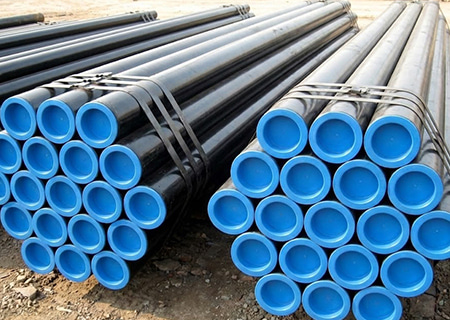
In the industrial world, selecting the correct piping material is more than just a procurement task; it is a critical decision that impacts the safety, longevity, and cost-efficiency of an entire infrastructure. Among the most frequently compared standards are API 5L Grade B pipe and ASTM A53 Grade B pipe. While they may appear similar at first glance—often sharing the same chemical composition and mechanical properties—their intended applications and testing requirements are distinct.
At Yuan Steel Pipe, we understand that navigating these technical specifications can be challenging for engineers and project managers. As a premier global supplier with 20 years of expertise, we aim to clarify these differences to help you make an informed choice for your next project.
Key Takeaways
API 5L Grade B pipe is primarily designed for the oil and gas industry, focusing on line pipe for long-distance transportation.
ASTM A53 Grade B pipe is a general-purpose pipe used for steam, water, and air lines in mechanical and low-pressure applications.
API 5L has more stringent requirements, especially under the PSL2 level, regarding toughness and chemical limits.
Both grades are often "dual-certified," meaning a single pipe can meet the requirements of both standards.
1. What is API 5L Grade B Pipe?
The API 5L specification is governed by the American Petroleum Institute. API 5L Grade B pipe is specifically engineered for the transportation of petroleum and natural gas. It covers both seamless and welded steel pipe (ERW, LSAW, SSAW).
One of the defining features of this standard is the introduction of Product Specification Levels (PSL1 and PSL2). While PSL1 provides a standard quality level for line pipe, PSL2 introduces mandatory requirements for chemical composition, notch toughness, and maximum yield strength, making it suitable for more demanding "sour service" or offshore environments.
2. What is ASTM A53 Grade B Pipe?
ASTM A53 Grade B pipe is a standard specification established by ASTM International. It is intended for mechanical and pressure applications, as well as for ordinary uses in steam, water, gas, and air lines. It is widely used in chemical plants, refineries, and HVAC systems.
Unlike API 5L, ASTM A53 is generally seen as a "structural and fluid service" pipe. It is available in three types:
Type F: Furnace-butt welded (Grade A only).
Type E: Electric-resistance welded (Grades A and B).
Type S: Seamless (Grades A and B).
3. Technical Comparison: API 5L Grade B vs. ASTM A53 Grade B
To truly understand the difference, we must look at the chemical and mechanical data. At Yuan Steel Pipe, we ensure all our products strictly adhere to these international benchmarks.
Chemical Composition Comparison
The chemical makeup determines the pipe's weldability and corrosion resistance. Below is a breakdown of the typical requirements:
| Element | API 5L Grade B (PSL1) | ASTM A53 Grade B |
| Carbon (max) | 0.26% - 0.28% | 0.30% |
| Manganese (max) | 1.20% | 1.20% |
| Phosphorus (max) | 0.030% | 0.050% |
| Sulfur (max) | 0.030% | 0.045% |
Analysis: API 5L Grade B pipe generally maintains lower limits for phosphorus and sulfur compared to ASTM A53. This results in a "cleaner" steel with better weldability and higher impact resistance.
Mechanical Properties
Both grades are rated for similar strength levels, but the testing protocols vary.
| Property | API 5L Grade B | ASTM A53 Grade B |
| Yield Strength (min) | 245 MPa (35,500 psi) | 240 MPa (35,000 psi) |
| Tensile Strength (min) | 415 MPa (60,200 psi) | 415 MPa (60,000 psi) |
| Elongation | Standardized based on area | Standardized based on area |
4. Why Application Matters: Choosing the Right Grade
The primary difference lies in where the pipe will be used.
Oil and Gas Transmission
For long-distance pipelines where high internal pressure and environmental stress are factors, API 5L Grade B pipe is the industry standard. It undergoes rigorous non-destructive testing (NDT) to ensure it can safely transport flammable fluids without leakage.
Building and General Infrastructure
In contrast, ASTM A53 Grade B pipe is the go-to for municipal water systems, structural supports, and low-pressure steam lines. Its widespread availability and cost-effectiveness make it ideal for non-critical industrial services.
At Yuan Steel Pipe, we maintain a massive inventory of over 15,000 tons, ensuring that whether you need high-spec line pipe or general-purpose tubing, we can deliver from stock within 7 days.
5. The Concept of Dual Certification
In many cases, a manufacturer will produce a pipe that satisfies the requirements of both API 5L Grade B and ASTM A53 Grade B (and often ASTM A106 B). This is known as Dual Certified Pipe. This flexibility allows distributors and end-users to reduce inventory costs while ensuring the pipe is safe for multiple types of service.
If your project requires "Dual Spec" material, Yuan Steel Pipe provides comprehensive Mill Test Reports (MTRs) to verify that the chemistry and testing meet both standards simultaneously.
6. Manufacturing and Testing Differences
While the manufacturing processes (Seamless or ERW) are similar, the testing rigor sets them apart:
Hydrostatic Testing: Both require it, but API 5L testing pressures are often calculated differently to reflect line pipe service.
Flattening Test: Critical for welded pipes in both standards, but API 5L often requires more extensive testing for larger diameters.
Toughness: For API 5L PSL2, Charpy V-Notch impact testing is mandatory, whereas it is not a standard requirement for ASTM A53.
7. FAQ
Q1: Can I use ASTM A53 Grade B instead of API 5L Grade B?
A: It depends on the application. For structural or low-pressure water use, yes. However, for high-pressure oil or gas transmission lines, API 5L is mandatory due to its stricter testing and safety protocols.
Q2: What is the difference between PSL1 and PSL2 in API 5L Grade B?
A: PSL1 is a standard quality for line pipe, while PSL2 includes additional requirements for chemical composition, mechanical properties, and mandatory impact testing. Yuan Steel Pipe supplies both PSL1 and PSL2 depending on your project's severity.
Q3: Why is API 5L Grade B pipe often preferred for welding?
A: API 5L has a lower maximum carbon equivalent and tighter controls on impurities like sulfur and phosphorus, making the welding process more stable and the resulting joint more durable.
Q4: Are these pipes available with coatings?
A: Yes. Both API 5L Grade B pipe and ASTM A53 Grade B pipe can be supplied with various coatings such as 3PE, FBE (Fusion Bonded Epoxy), or Black Vanished to prevent corrosion.
Conclusion
Understanding the nuances between API 5L Grade B pipe and ASTM A53 Grade B pipe ensures that your engineering project remains compliant, safe, and cost-effective. While they overlap in strength, the superior purity and testing of API 5L make it the king of the energy sector, while ASTM A53 remains the versatile workhorse of general industry.
As your strategic pipeline partner, Yuan Steel Pipe is dedicated to providing high-quality solutions backed by 20 years of logistics expertise. Visit our
Please Contact Us!


Recent News
1.Why ASTM A53 Galvanized Pipe is the Gold Standard for Modern Plumbing & HVAC
2025-11-032.A53 vs A106 Steel Pipes: Which Grade Fits Your Needs
2026-01-283.API 5L Line Pipe Guide: Specifications, Grades, and Industrial Applications Explained
2026-01-304.API 5L Grade B vs. ASTM A53 Grade B: The Ultimate Guide to Choosing the Right Steel Pipe
2026-02-045.What Is the Difference Between ASTM A106 Grade B and Grade C?
2026-01-156.Innovation in API 5L PSL1 Line Pipe: Efficiency Meets Reliability
2025-11-03


